

Maximizing Your Limestone Production: Expert Tips for Choosing the Right Crusher
Jan 23,2026
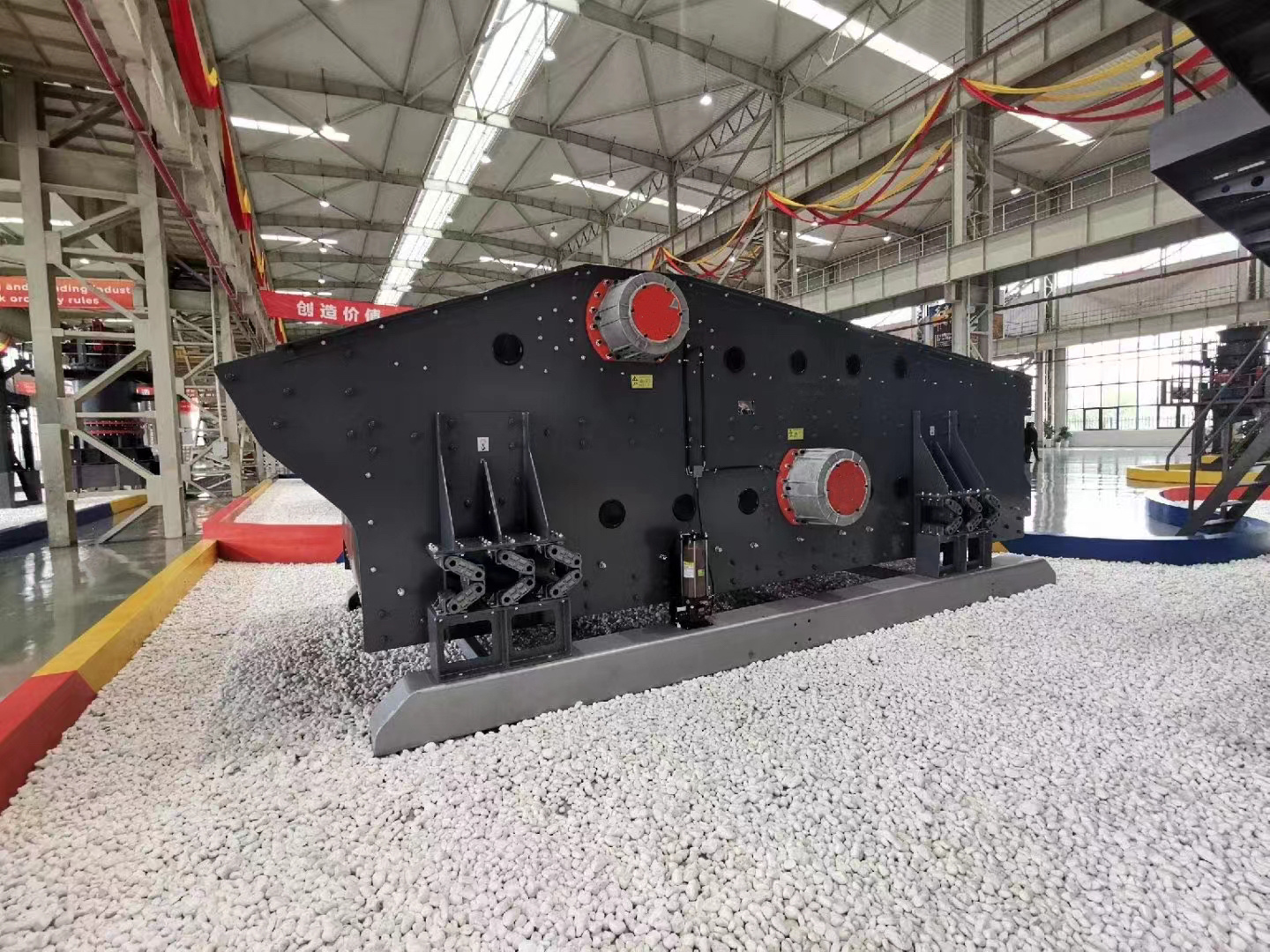
Maximizing Your Limestone Production: Expert Tips for Choosing the Right Crusher
Table of Contents
- 1. Introduction to Limestone Production
- 2. Understanding Different Types of Crushers
- 3. Key Criteria for Selecting the Right Limestone Crusher
- 4. Tips for Optimizing Your Crushing Process
- 5. Maintenance and Support for Longevity
- 6. Environmental Considerations in Limestone Crushing
- 7. Cost-Effectiveness: Balancing Quality and Budget
- 8. Conclusion: Making Informed Decisions for Success
- 9. Frequently Asked Questions
1. Introduction to Limestone Production
Limestone is a vital raw material utilized across various industries, including construction, cement production, and agriculture. As one of the most abundant sedimentary rocks, limestone plays a crucial role in several applications due to its chemical properties and versatility. Optimizing limestone production is essential for achieving greater efficiency, reducing operational costs, and enhancing product quality. This article provides valuable insights and practical tips for selecting the right crusher, thereby maximizing your limestone production.
2. Understanding Different Types of Crushers
Selecting the appropriate crusher for your limestone production begins with understanding the various types of crushers available. Each type of crusher has unique characteristics that make it suitable for specific applications.
2.1 Jaw Crushers
Jaw crushers are typically used for primary crushing. They operate by compressing material between two plates, resulting in a coarse product. Their ability to handle large, hard materials makes them ideal for initial processing stages in limestone production.
2.2 Impact Crushers
Impact crushers are designed for secondary crushing and can produce a finer product compared to jaw crushers. They utilize high-speed impact to break down materials, making them effective for softer limestone rocks. Their versatility allows them to handle different sizes and shapes of limestone.
2.3 Cone Crushers
Cone crushers are known for their ability to produce a uniform product size. They work by crushing material between a moving mantle and a stationary bowl liner. Their efficiency in processing hard, abrasive materials like limestone makes them a popular choice in the industry.
2.4 Hammer Crushers
Hammer crushers use rotating hammers to crush material, making them suitable for softer limestone. They are effective for reducing materials into smaller pieces and are often used in operations requiring a fine end product.
3. Key Criteria for Selecting the Right Limestone Crusher
When choosing the ideal crusher for your limestone production, several criteria must be considered to ensure you make an informed decision.
3.1 Material Characteristics
Understanding the composition and hardness of the limestone is crucial. Different crushers are suited for varying hardness levels. For instance, if your limestone is particularly hard, a jaw or cone crusher may be more appropriate.
3.2 Desired Product Size
Consider the specifications for the final product size. Different crushers produce different sizes, so aligning your choice with the desired output is essential for meeting production goals.
3.3 Production Capacity
Evaluate the production capacity of your operations. The right crusher should match your output requirements while maintaining efficiency. Whether you need high throughput or the ability to handle variable feed sizes, your choice should reflect your operational needs.
3.4 Operational Costs
Assess the total cost of ownership, not just the initial purchase price. This includes maintenance, energy consumption, and operational expenses. A more efficient crusher may have a higher upfront cost but can save significantly in the long run.
4. Tips for Optimizing Your Crushing Process
Once you have selected the right crusher, optimizing the crushing process is crucial for maximizing production efficiency.
4.1 Proper Feed Size
Ensure that the feed size entering the crusher is within the recommended limits. Too large or too small feed can lead to inefficiencies, causing increased wear and tear or poor product quality.
4.2 Maintenance Practices
Implement a regular maintenance schedule to keep the crusher in optimal condition. Regular inspections, lubrication, and parts replacement can significantly extend the lifespan of the machine and maintain operational efficiency.
4.3 Operator Training
Invest in training for operators to enhance their skills in managing the crushing process. Well-trained operators can identify issues early, optimize settings, and ensure that the equipment runs smoothly.
4.4 Monitoring and Automation
Consider incorporating monitoring systems and automation technology to track performance in real-time. Advanced systems can provide valuable data on throughput, energy usage, and maintenance needs, allowing for timely adjustments.
5. Maintenance and Support for Longevity
Effective maintenance is essential for the longevity and performance of your limestone crusher.
5.1 Scheduled Maintenance
Create a scheduled maintenance plan that includes checks on belts, bearings, and other critical components. Regular maintenance helps prevent breakdowns and extends the life of the equipment.
5.2 Spare Parts Management
Maintain an inventory of essential spare parts to minimize downtime during repairs. Quick access to replacement parts ensures that any issues can be resolved promptly.
5.3 Technical Support
Partnering with a reputable equipment supplier can provide access to technical support and resources. This collaboration can be invaluable for troubleshooting and optimizing equipment performance.
6. Environmental Considerations in Limestone Crushing
With increasing awareness of environmental issues, it’s vital to consider the ecological footprint of your limestone production process.
6.1 Dust Control Measures
Implement dust control measures such as water sprays and dust suppression systems to minimize emissions and meet regulatory requirements. This not only protects the environment but also improves working conditions for employees.
6.2 Noise Reduction Strategies
Crushing operations can generate significant noise pollution. Investing in noise reduction technologies and implementing operational practices that minimize noise can enhance compliance with environmental standards.
6.3 Resource Management
Adopt resource management practices to reduce waste and increase recycling of materials. Efficient resource use contributes to sustainability and can enhance your company’s reputation.
7. Cost-Effectiveness: Balancing Quality and Budget
Achieving optimal limestone production involves finding a balance between quality and budget.
7.1 Initial Investment vs. Long-Term Savings
While it may be tempting to choose the cheapest option, evaluate the machine’s performance and longevity. A higher initial investment in a quality crusher often results in lower operational costs over time.
7.2 Energy Efficiency
Select crushers designed for energy efficiency to reduce operational costs. Energy-efficient equipment not only lowers bills but also lessens environmental impact.
7.3 Process Optimization
Look for ways to optimize the entire production process, from crushing to screening and beyond. Streamlining operations can lead to increased output and reduced costs.
8. Conclusion: Making Informed Decisions for Success
Selecting the right crusher for your limestone production is a vital decision that impacts efficiency, cost, and product quality. By understanding the different types of crushers, evaluating key criteria, and implementing optimization strategies, you can significantly enhance your operations. A well-chosen crusher coupled with effective maintenance and environmental practices not only maximizes production but also contributes to long-term sustainability and profitability.
9. Frequently Asked Questions
9.1 What type of crusher is best for limestone?
Jaw crushers and cone crushers are generally the best choices for limestone due to their efficiency in handling hard materials and producing uniform product sizes.
9.2 How can I improve the efficiency of my limestone crusher?
Improving feed size, maintaining the equipment regularly, and training operators can significantly enhance the efficiency of your limestone crusher.
9.3 What maintenance is required for limestone crushers?
Regular inspections, lubrication of moving parts, and timely replacement of worn components are essential for maintaining limestone crushers.
9.4 Are there environmental impacts associated with limestone crushing?
Yes, limestone crushing can generate dust and noise pollution. Implementing dust control measures and noise reduction strategies can mitigate these impacts.
9.5 How can I ensure cost-effectiveness in my limestone production?
Evaluate the total cost of ownership, invest in energy-efficient equipment, and optimize operations to achieve a balance between quality and budget.
Hot Tags:

Contact Us
E-mail:byunfei2000@gmail.com
Wechat/WhatsApp:+86 17324886663
WhatsApp:+86 18738568071
Address:No. 12 Industrial Road, Zhaipo Town, Xinxiang, Henan Province


REQUEST QUOTE
We will contact you within one working day. Please pay attention to your email.