

Choosing the Right Cone Crusher for Optimal Secondary Crushing Performance
Jan 27,2026
Choosing the Right Cone Crusher for Optimal Secondary Crushing Performance
Introduction to Cone Crushers in Secondary Crushing
Cone crushers play a pivotal role in the **manufacturing and processing machinery** industry, especially when it comes to secondary crushing applications. These powerful machines are designed to crush various types of materials, including hard and abrasive rocks, making them essential for a wide range of industries such as mining, aggregates, and recycling. In this guide, we will explore the critical aspects of selecting the right cone crusher tailored to your specific needs.
Understanding the Importance of Secondary Crushing
Secondary crushing is a vital process that enhances the quality and size of the material output. It follows primary crushing and involves reducing the size of the material further to meet specific requirements for downstream processes. Choosing the right cone crusher can significantly impact the efficiency and effectiveness of this stage, leading to improved product quality and reduced operational costs.
The Role of Cone Crushers in Secondary Crushing
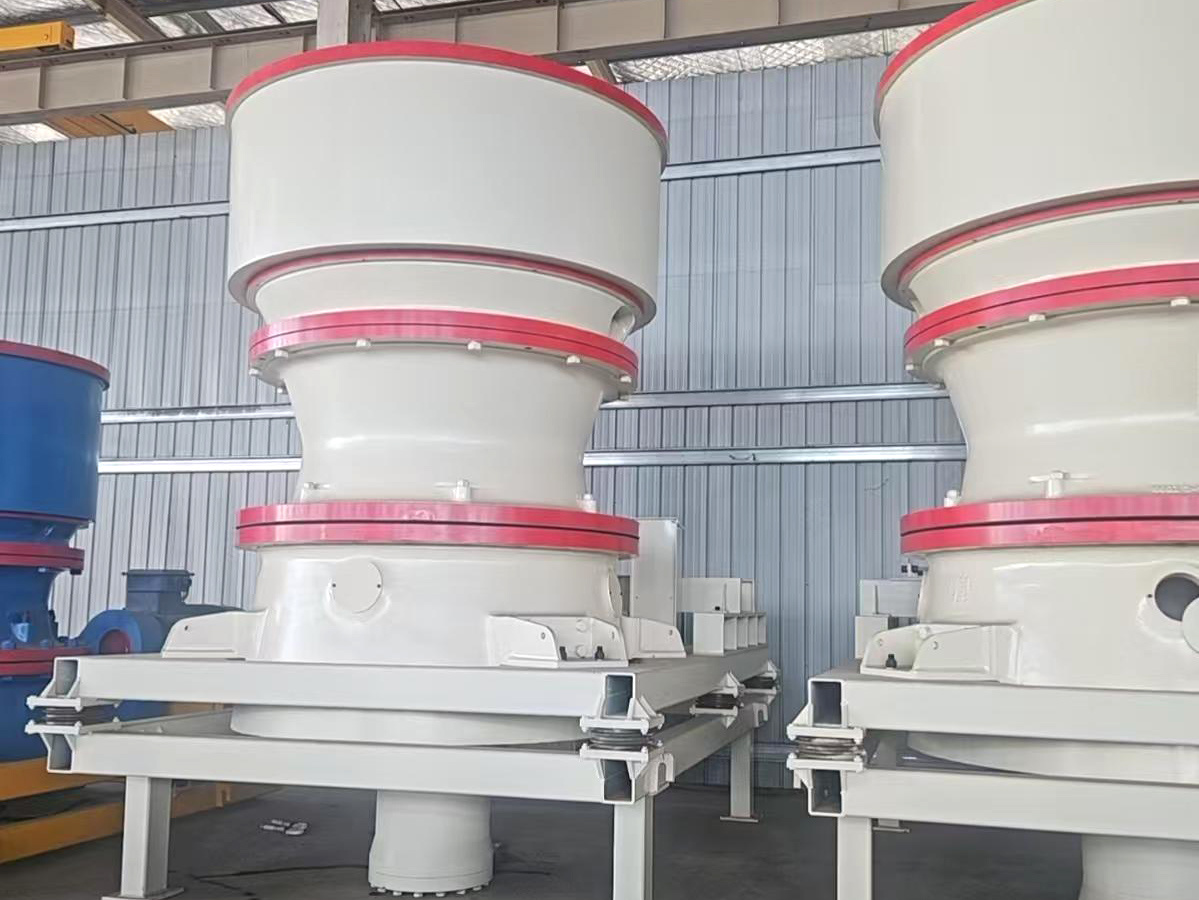
Cone crushers are engineered to deliver high performance and reliability, making them suitable for secondary applications. They utilize a rotating mantle that compresses the material against a stationary bowl liner, effectively crushing the material into the desired size. The consistency of output size and shape makes cone crushers an excellent choice for various industries.
Key Factors to Consider When Choosing a Cone Crusher
When selecting a cone crusher for secondary crushing, several factors come into play. Understanding these factors will help you make an informed decision that aligns with your operational goals.
1. Material Characteristics
The type of material being processed is one of the most critical considerations. Factors such as hardness, abrasiveness, and moisture content can significantly influence your choice of cone crusher. For instance, harder materials may require a more robust crusher with enhanced features to withstand increased wear.
2. Desired Output Size and Shape
Defining the target output size is crucial for selecting the right cone crusher. Different models provide various adjustments to output size, allowing for customization based on project specifications. Understanding the required shape of the final product is equally important, as certain cone crushers excel at producing specific shapes.
3. Crushing Capacity and Throughput
Evaluating the crushing capacity and throughput of potential cone crushers ensures that the selected model can handle the required volume of material efficiently. This assessment should take into account the operational needs and potential peak loads that could occur during production.
4. Power Consumption and Efficiency
Energy efficiency is a critical concern for many operations. Selecting a cone crusher that offers optimal power consumption while maintaining productivity can lead to significant cost savings. Look for models with advanced engineering that reduces energy usage without compromising performance.
5. Maintenance Requirements
Maintenance is an inevitable part of any machinery operation. Choosing a cone crusher that is easy to maintain can save time and money in the long run. Consider models that offer straightforward access to critical components and require minimal maintenance interruptions.
Types of Cone Crushers for Secondary Crushing
Various types of cone crushers are available, each designed for specific applications and material types. Understanding the differences between these models can aid in making the right choice.
Standard Cone Crushers
Standard cone crushers are the most common type and are ideal for medium to large-sized operations. They provide a good balance between size reduction and product shape, making them versatile for various applications.
Short Head Cone Crushers
Short head cone crushers are specifically designed for producing finer products. Their design allows for a smaller discharge opening, resulting in a more uniform output size. These crushers are suitable for secondary and tertiary applications.
High-Efficiency Cone Crushers
Modern high-efficiency cone crushers are engineered with advanced technology that maximizes throughput while minimizing energy consumption. They often feature automated controls that enhance operational efficiency and product consistency.
Multi-Cylinder Hydraulic Cone Crushers
Multi-cylinder hydraulic cone crushers offer enhanced performance and durability. Their design allows for better crushing force and greater size reduction capabilities, making them suitable for demanding applications.
Key Features to Look for in a Cone Crusher
To ensure optimal performance, it’s important to consider specific features when selecting a cone crusher. These attributes directly influence performance, ease of use, and maintenance.
Adjustable Stroke and Speed
An adjustable stroke and speed allow for customization of the crushing process to suit specific material types and desired outcomes. This flexibility can lead to improved efficiency and material handling.
Advanced Control Systems
Modern cone crushers often come equipped with advanced control systems that monitor performance and make real-time adjustments. These systems help maintain optimal operating conditions and reduce wear and tear.
Durable Construction Materials
The longevity of a cone crusher is significantly influenced by the materials used in its construction. Opt for models built from high-quality steel and components designed to withstand abrasive materials.
Integrated Safety Features
Safety should never be compromised in machinery operations. Look for cone crushers with built-in safety features, such as automatic shut-off systems and overload protection, to ensure safe operations.
Cost Considerations When Choosing a Cone Crusher
Investing in a cone crusher represents a significant financial commitment. Understanding the total cost of ownership, including purchase price, maintenance, and operational costs, is vital for making an informed decision.
Initial Purchase Price
While the initial purchase price is an important factor, it should not be the sole consideration. Evaluate other costs associated with ownership, such as installation, training, and transportation.
Operating Costs
Consider long-term operating costs, including energy consumption, wear parts replacement, and maintenance. Selecting an energy-efficient model can result in substantial savings over time.
Resale Value
The resale value of a cone crusher can also play a significant role in your investment decision. Models with a reputation for reliability and performance tend to retain their value better than others.
Maintenance and Troubleshooting for Cone Crushers
Proper maintenance is essential for extending the lifespan of your cone crusher and ensuring optimal performance. Implementing a proactive maintenance schedule can prevent costly downtime and repair expenses.
Regular Inspections
Conducting regular inspections of critical components can identify potential issues before they escalate. Check the wear parts, lubrication systems, and hydraulic components to ensure everything functions correctly.
Lubrication and Cooling Systems
Maintaining proper lubrication and cooling is crucial for the optimal operation of cone crushers. Ensure that the lubrication system is functioning correctly and that the oil is clean and at the right level.
Troubleshooting Common Issues
Being prepared to troubleshoot common issues such as reduced throughput, abnormal vibrations, or unusual noises can help minimize downtime. Consult the manufacturer’s guidelines for specific troubleshooting steps.
FAQs About Choosing the Right Cone Crusher
1. What factors should I consider when selecting a cone crusher?
When selecting a cone crusher, consider factors such as material characteristics, desired output size and shape, crushing capacity, power consumption, and maintenance requirements.
2. How do I determine the right type of cone crusher for my needs?
Assess your specific operational requirements, including the type of material you will be processing, the desired output, and your production capacity to determine the best type of cone crusher.
3. What maintenance is required for cone crushers?
Regular maintenance includes inspections, lubrication, and checking wear parts. Establishing a proactive maintenance schedule can help prevent breakdowns and extend the equipment's lifespan.
4. How can I ensure optimal performance from my cone crusher?
To ensure optimal performance, choose a cone crusher with advanced control systems, maintain proper lubrication, and conduct regular inspections to identify potential issues early.
5. What is the difference between a standard and short head cone crusher?
A standard cone crusher is designed for larger output sizes, while a short head cone crusher provides finer output and is typically used for secondary and tertiary crushing applications.
Conclusion
Choosing the right cone crusher for optimal secondary crushing performance is a critical decision that can significantly impact your operation's efficiency and productivity. By considering various factors such as material characteristics, desired output, and maintenance requirements, you can make an informed choice that aligns with your business goals. Prioritize features that enhance performance and durability, and understand the total cost of ownership to ensure a successful investment. With the right cone crusher in place, you can achieve superior crushing outcomes, ultimately driving your operation toward greater success.
Hot Tags:
PREVIOUS:

Contact Us
E-mail:byunfei2000@gmail.com
Wechat/WhatsApp:+86 17324886663
WhatsApp:+86 18738568071
Address:No. 12 Industrial Road, Zhaipo Town, Xinxiang, Henan Province


REQUEST QUOTE
We will contact you within one working day. Please pay attention to your email.