

Effective Trommel Screen Solutions for Challenging Soil and Gravel Conditions
Mar 20,2026
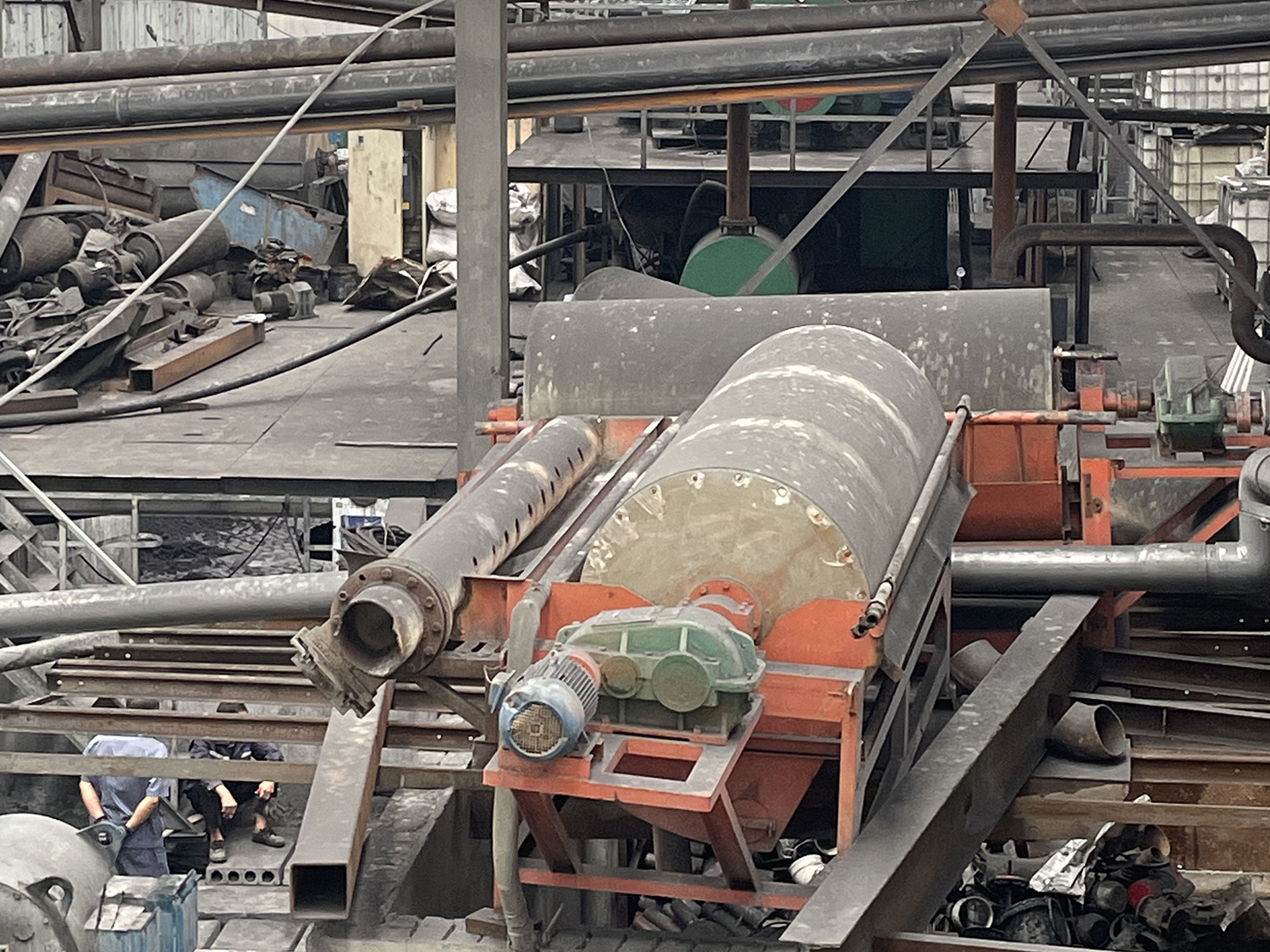
Effective Trommel Screen Solutions for Challenging Soil and Gravel Conditions
Table of Contents
1. Introduction to Trommel Screens
2. Understanding Soil and Gravel Conditions
2.1 Types of Soil and Gravel
2.2 Challenges in Screening
3. The Technology Behind Trommel Screens
3.1 Key Components of Trommel Screens
3.2 How Trommel Screens Work
4. Benefits of Using Trommel Screens for Challenging Conditions
4.1 Enhanced Efficiency and Performance
4.2 Versatility in Applications
5. Selecting the Right Trommel Screen for Your Needs
5.1 Factors to Consider
5.2 Sizing and Configurations
6. Maintenance Best Practices for Trommel Screens
7. Conclusion
8. Frequently Asked Questions (FAQs)
1. Introduction to Trommel Screens
Trommel screens are essential equipment in the manufacturing and processing sector, particularly for soil and gravel operations. These rotating cylindrical screens separate materials based on size, ensuring that undesirable particles are removed while valuable materials are retained. In challenging soil and gravel conditions, the ability to efficiently sort and classify materials is critical. This article delves into effective trommel screen solutions that can enhance productivity and performance in these demanding environments.
2. Understanding Soil and Gravel Conditions
Effective material processing begins with a solid understanding of the conditions being dealt with. Soil and gravel come in various types, each presenting unique challenges for screening.
2.1 Types of Soil and Gravel
Soil and gravel types can vary significantly depending on their geological formation. Common types include:
- **Clay**: Known for its cohesion, clay can stick to screens, reducing efficiency.
- **Silt**: Fine silt particles can clog mesh openings, leading to operational challenges.
- **Sand**: Sand’s granular nature allows for easier screening but can still present issues when mixed with clay or silt.
- **Gravel**: Larger particles may not effectively pass through smaller screen openings, necessitating careful material assessment.
2.2 Challenges in Screening
Each type of soil and gravel presents specific challenges. For instance, clay can lead to equipment clogging, while wet conditions can cause excessive weight and volume, complicating the sorting process. Understanding these challenges is crucial for choosing the right trommel screen solution.
3. The Technology Behind Trommel Screens
Trommel screens utilize innovative technology to enhance material separation. Understanding the inner workings of these machines can help operators optimize their use.
3.1 Key Components of Trommel Screens
The primary components of a trommel screen include:
- **Drum**: The cylindrical structure where the screening process occurs.
- **Mesh**: The screen surface through which materials pass, sized according to the desired separation.
- **Drive System**: Powers the rotation of the drum, typically consisting of electric motors and gearboxes.
- **Infeed Chute**: Where materials are introduced into the trommel for processing.
3.2 How Trommel Screens Work
The operation of trommel screens is relatively straightforward. Materials are fed into the rotating drum, where they undergo a tumbling action. As the drum rotates, smaller particles pass through the mesh, while larger materials are directed towards the exit. This process is repeated continuously, ensuring a consistent flow of sorted materials.
4. Benefits of Using Trommel Screens for Challenging Conditions
Employing trommel screens in challenging environments offers numerous advantages that enhance operational efficiency.
4.1 Enhanced Efficiency and Performance
Trommel screens are designed to handle large volumes of materials quickly. Their ability to efficiently separate different particle sizes minimizes manual sorting and reduces overall processing time.
4.2 Versatility in Applications
These machines are not limited to just one application. Trommel screens can be utilized across various industries, including:
- **Construction**: For sorting gravel and sand.
- **Waste Management**: To separate recyclable materials from organic waste.
- **Agriculture**: For screening topsoil and compost.
5. Selecting the Right Trommel Screen for Your Needs
Choosing the appropriate trommel screen is crucial for maximizing performance in challenging conditions.
5.1 Factors to Consider
Several factors should be evaluated when selecting a trommel screen, including:
- **Material Type**: Understanding the physical characteristics of the material being processed.
- **Desired Particle Size**: Selecting the appropriate mesh size for effective separation.
- **Operational Capacity**: Ensuring the machine can handle the expected volume of materials.
5.2 Sizing and Configurations
Trommel screens come in various sizes and configurations to meet diverse operational needs. From portable models for small sites to larger, stationary units for extensive operations, the right choice depends on your specific requirements.
6. Maintenance Best Practices for Trommel Screens
Regular maintenance is vital to ensure the longevity and efficiency of trommel screens. Implementing best practices can prevent costly downtime and enhance performance.
- **Routine Inspections**: Conduct regular checks for wear and tear, focusing on the drum, mesh, and drive system.
- **Cleaning**: Keep the trommel screen clean to prevent material buildup that can cause blockages.
- **Lubrication**: Ensure that moving parts are adequately lubricated to reduce friction and wear.
7. Conclusion
Investing in effective trommel screen solutions is essential for successfully navigating challenging soil and gravel conditions. Understanding the technology, benefits, and maintenance practices associated with these machines can significantly enhance operational efficiency. By selecting the right trommel screen and adhering to best practices, businesses can optimize their material processing capabilities, ultimately leading to improved productivity and profitability.
8. Frequently Asked Questions (FAQs)
1. What is a trommel screen?
A trommel screen is a rotating cylindrical screen used for separating materials based on size. It is commonly used in various industries for sorting soil and gravel.
2. What types of materials can trommel screens process?
Trommel screens can process a wide range of materials, including clay, silt, sand, gravel, and even organic waste.
3. What should I consider when selecting a trommel screen?
Key considerations include the type of material, desired particle size, and the operational capacity of the screen.
4. How often should trommel screens be maintained?
Regular maintenance should be performed frequently, with routine inspections recommended weekly or monthly, depending on usage.
5. Can trommel screens be used in wet conditions?
Yes, trommel screens can be designed to operate in wet conditions; however, it’s crucial to consider the added weight and potential for clogging. Proper configurations should be chosen for optimal performance.
By adopting the right trommel screen solutions tailored to your specific needs, you can effectively address challenges posed by various soil and gravel conditions, leading to enhanced operational outcomes.
Hot Tags:

Contact Us
E-mail:byunfei2000@gmail.com
Wechat/WhatsApp:+86 17324886663
WhatsApp:+86 18738568071
Address:No. 12 Industrial Road, Zhaipo Town, Xinxiang, Henan Province


REQUEST QUOTE
We will contact you within one working day. Please pay attention to your email.