

Maximizing Efficiency: The Role of Jaw Crushers in Construction Waste Management
Mar 26,2026
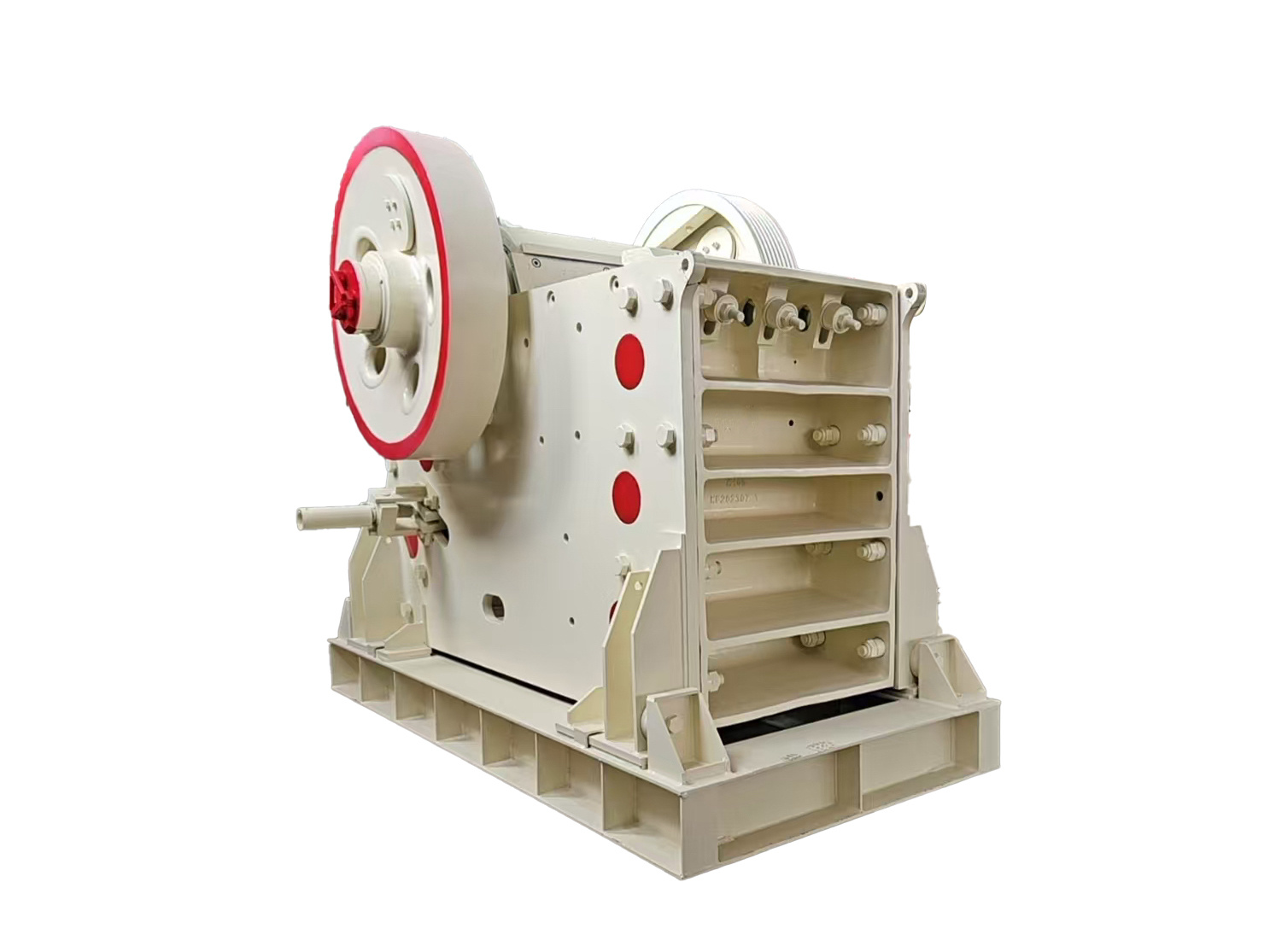
In recent years, the construction industry has faced increasing pressure to manage waste effectively, given the rising awareness of sustainability and environmental impact. One of the most effective solutions for this challenge is the use of jaw crushers designed specifically for processing construction waste. These machines play a pivotal role in the recycling of materials, transforming debris from demolition and renovation projects into reusable aggregates.
Jaw crushers are renowned for their robust design and versatility. They utilize a compressive force to fracture materials, making them ideal for crushing various types of construction waste, including concrete, bricks, and asphalt. The primary advantage of using a jaw crusher in construction waste management is its ability to reduce large chunks of debris into smaller, manageable pieces. This not only facilitates easier handling and transport but also enhances the potential for recycling and reusing these materials in new construction projects.
One of the key features of jaw crushers is their adjustable settings, which allow operators to customize the output size according to specific project requirements. This adaptability is essential in construction waste recycling, where the size of the crushed material can directly impact its usability for different applications, such as road base, fill material, or even new concrete mixes.
Furthermore, jaw crushers are designed with high durability in mind, often featuring robust wear parts that can withstand the harsh conditions typically associated with construction sites. This durability translates to reduced downtime and maintenance costs, making them a cost-effective choice for contractors looking to optimize their waste management processes.
In addition to their mechanical benefits, jaw crushers also contribute to a more sustainable construction industry. By enabling the recycling of construction waste, these machines help reduce the demand for new raw materials, conserve natural resources, and minimize landfill use. This aligns with global efforts to promote circular economy practices and reduce the environmental footprint of construction activities.
Operators must ensure proper training and adherence to safety protocols when using jaw crushers, as they are powerful machines that require careful handling. Understanding the specifications and operational guidelines can significantly enhance their effectiveness and longevity.
In conclusion, jaw crushers are a vital component in the management of construction waste, offering efficiency, adaptability, and sustainability. Their ability to convert waste into valuable resources supports the construction industry's shift toward more responsible practices, highlighting the importance of investing in advanced crushing technology for waste processing. By integrating jaw crushers into waste management strategies, companies can not only improve their operational efficiency but also contribute to a greener future.
Jaw crushers are renowned for their robust design and versatility. They utilize a compressive force to fracture materials, making them ideal for crushing various types of construction waste, including concrete, bricks, and asphalt. The primary advantage of using a jaw crusher in construction waste management is its ability to reduce large chunks of debris into smaller, manageable pieces. This not only facilitates easier handling and transport but also enhances the potential for recycling and reusing these materials in new construction projects.
One of the key features of jaw crushers is their adjustable settings, which allow operators to customize the output size according to specific project requirements. This adaptability is essential in construction waste recycling, where the size of the crushed material can directly impact its usability for different applications, such as road base, fill material, or even new concrete mixes.
Furthermore, jaw crushers are designed with high durability in mind, often featuring robust wear parts that can withstand the harsh conditions typically associated with construction sites. This durability translates to reduced downtime and maintenance costs, making them a cost-effective choice for contractors looking to optimize their waste management processes.
In addition to their mechanical benefits, jaw crushers also contribute to a more sustainable construction industry. By enabling the recycling of construction waste, these machines help reduce the demand for new raw materials, conserve natural resources, and minimize landfill use. This aligns with global efforts to promote circular economy practices and reduce the environmental footprint of construction activities.
Operators must ensure proper training and adherence to safety protocols when using jaw crushers, as they are powerful machines that require careful handling. Understanding the specifications and operational guidelines can significantly enhance their effectiveness and longevity.
In conclusion, jaw crushers are a vital component in the management of construction waste, offering efficiency, adaptability, and sustainability. Their ability to convert waste into valuable resources supports the construction industry's shift toward more responsible practices, highlighting the importance of investing in advanced crushing technology for waste processing. By integrating jaw crushers into waste management strategies, companies can not only improve their operational efficiency but also contribute to a greener future.
Hot Tags:

Contact Us
E-mail:byunfei2000@gmail.com
Wechat/WhatsApp:+86 17324886663
WhatsApp:+86 18738568071
Address:No. 12 Industrial Road, Zhaipo Town, Xinxiang, Henan Province


REQUEST QUOTE
We will contact you within one working day. Please pay attention to your email.