

Secondary Crushing Revolution: The Impact of Advanced Cone Crushers
Apr 09,2026
Secondary Crushing Revolution: The Impact of Advanced Cone Crushers
Table of Contents
- 1. Introduction to Advanced Cone Crushers
- 2. Understanding Secondary Crushing
- 3. The Technology Behind Advanced Cone Crushers
- 4. Advantages of Advanced Cone Crushers in Secondary Crushing
- 5. Applications of Advanced Cone Crushers in Various Industries
- 6. Maintenance and Reliability of Cone Crushers
- 7. The Future of Cone Crushing Technology
- 8. Conclusion
- 9. Frequently Asked Questions
1. Introduction to Advanced Cone Crushers
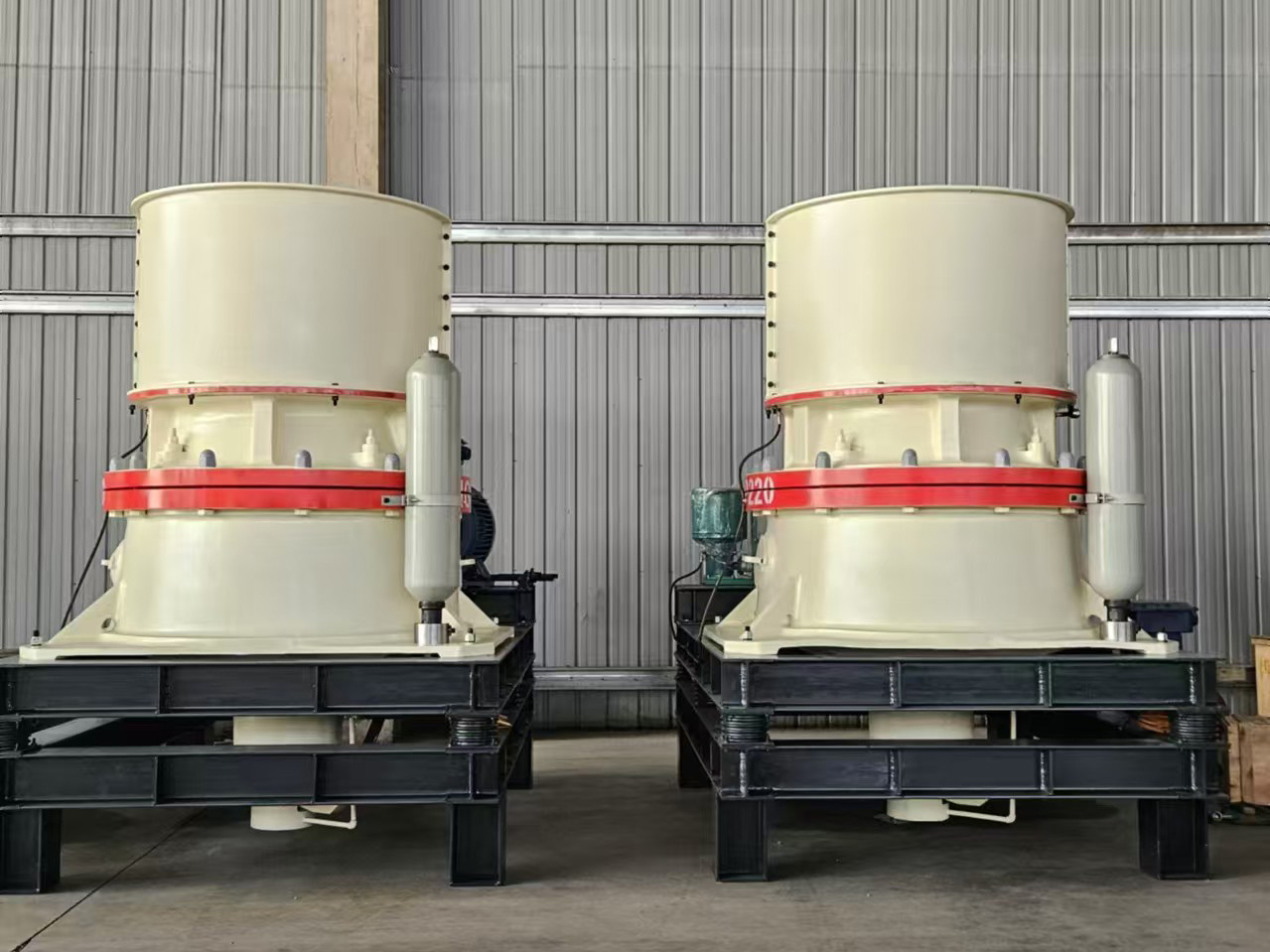
In recent years, the manufacturing and processing industries have undergone a significant transformation driven by technological advancements. Among these innovations, **advanced cone crushers** have emerged as pivotal tools in the **secondary crushing** process. These machines are engineered to deliver exceptional performance while improving efficiency, product quality, and operational costs.
This article will explore the revolutionary impact of advanced cone crushers on secondary crushing, providing insights into their technology, advantages, and future potential.
2. Understanding Secondary Crushing
Secondary crushing refers to the stage in the crushing process following primary crushing, where the goal is to reduce the size of materials to meet specific requirements. This stage is crucial in various industries, including mining, construction, and recycling, as it prepares materials for further processing or direct use.
During secondary crushing, various types of crushers can be employed, but **cone crushers** stand out due to their unique design and operational benefits. Their ability to handle hard materials efficiently makes them ideal for secondary applications.
3. The Technology Behind Advanced Cone Crushers
Advanced cone crushers are characterized by several innovative features that set them apart from traditional models. Key technological advancements include:
3.1 Hydraulic Systems
Modern cone crushers utilize hydraulic systems to adjust the position of the crushing head. This technology allows operators to easily control the size of the output material, ensuring flexibility in production.
3.2 Automation and Intelligent Controls
Automation features have significantly enhanced operational efficiency. Many advanced cone crushers incorporate intelligent control systems that monitor performance metrics, facilitating predictive maintenance and minimizing downtime.
3.3 Enhanced Crushing Chambers
The design of the crushing chamber in advanced cone crushers has been optimized for better material flow and reduction ratios. This enhancement leads to more effective crushing and improved product outcomes.
4. Advantages of Advanced Cone Crushers in Secondary Crushing
Advanced cone crushers offer numerous advantages that contribute to their growing popularity in secondary crushing applications:
4.1 Enhanced Efficiency
One of the primary benefits of advanced cone crushers is their **enhanced efficiency**. These machines are designed to operate at higher crushing speeds, allowing them to process more material in less time. This efficiency translates into increased throughput and productivity for operations relying on secondary crushing.
4.2 Improved Product Quality
The precision of advanced cone crushers leads to improved product quality. The ability to finely adjust the output size ensures that end products meet stringent specifications. This quality enhancement is particularly vital in industries where material specifications are critical, such as construction aggregates and mineral processing.
4.3 Reduced Operating Costs
Despite the initial investment in advanced cone crushers, the long-term benefits include **reduced operating costs**. Their efficient design minimizes energy consumption and wear on components, leading to lower maintenance costs and extended equipment life.
5. Applications of Advanced Cone Crushers in Various Industries
Advanced cone crushers find applications across a wide array of industries, each leveraging their capabilities to enhance productivity.
5.1 Mining Industry
In the mining sector, advanced cone crushers are essential for processing ores and minerals. Their ability to handle hard materials with high efficiency makes them ideal for secondary crushing operations in mines.
5.2 Construction Aggregates
The construction industry relies heavily on high-quality aggregates, and advanced cone crushers play a vital role in producing these materials. Their precision and efficiency contribute to meeting the stringent requirements of construction projects.
5.3 Recycling
With the growing emphasis on sustainability, advanced cone crushers are increasingly utilized in recycling operations. They efficiently process recycled materials, enabling the production of high-quality recycled aggregates.
6. Maintenance and Reliability of Cone Crushers
The reliability of advanced cone crushers is a key factor in their widespread adoption. Regular maintenance practices are essential to ensure optimal performance and longevity. Key maintenance practices include:
6.1 Routine Inspections
Conducting routine inspections of components such as liners, bearings, and hydraulic systems is crucial for identifying potential issues before they escalate.
6.2 Training Operators
Properly trained operators can significantly enhance the reliability of cone crushers. Understanding the machinery's capabilities and limitations ensures efficient operation and reduces the risk of damage.
6.3 Utilizing OEM Parts
Using original equipment manufacturer (OEM) parts for replacements not only ensures compatibility but also maintains the performance standards of advanced cone crushers.
7. The Future of Cone Crushing Technology
As technology continues to advance, the future of cone crushing technology looks promising. Innovations in **material science**, automation, and artificial intelligence are expected to further enhance the capabilities of advanced cone crushers.
Emerging trends may include the incorporation of **smart technology** that allows for remote monitoring and control, enabling operators to make real-time adjustments based on performance analytics. Additionally, eco-friendly designs focused on reducing carbon footprints will likely become a focal point in future developments.
8. Conclusion
The impact of advanced cone crushers on secondary crushing processes cannot be overstated. Their technological advancements lead to enhanced efficiency, improved product quality, and reduced operating costs, making them invaluable assets in various industries. As we progress into an era of continuous innovation, it is clear that advanced cone crushers will play a pivotal role in shaping the future of secondary crushing.
9. Frequently Asked Questions
Q1: What is the primary purpose of a cone crusher?
A1: The primary purpose of a cone crusher is to crush materials into smaller sizes, specifically in the secondary crushing stage, to ensure they meet specific size requirements for further processing or end-use.
Q2: How do advanced cone crushers differ from traditional models?
A2: Advanced cone crushers incorporate modern technologies such as hydraulic systems, automation, and optimized crushing chamber designs, leading to improved efficiency, product quality, and reduced operational costs.
Q3: What industries commonly use cone crushers?
A3: Cone crushers are widely used in industries such as mining, construction aggregates, and recycling, where they efficiently process hard materials and produce high-quality products.
Q4: What maintenance practices should be followed for cone crushers?
A4: Routine inspections, operator training, and the use of OEM parts for replacements are crucial maintenance practices to ensure the reliability and longevity of cone crushers.
Q5: What is the future of cone crushing technology?
A5: The future of cone crushing technology is likely to involve advancements in smart technology for real-time monitoring, enhanced automation, and eco-friendly designs that focus on sustainability.
A5: The future of cone crushing technology is likely to involve advancements in smart technology for real-time monitoring, enhanced automation, and eco-friendly designs that focus on sustainability.
Hot Tags:

Contact Us
E-mail:byunfei2000@gmail.com
Wechat/WhatsApp:+86 17324886663
WhatsApp:+86 18738568071
Address:No. 12 Industrial Road, Zhaipo Town, Xinxiang, Henan Province


REQUEST QUOTE
We will contact you within one working day. Please pay attention to your email.