

Three-Axis Vibrating Screens: Essential Tools for Modern Quarrying
Apr 21,2026
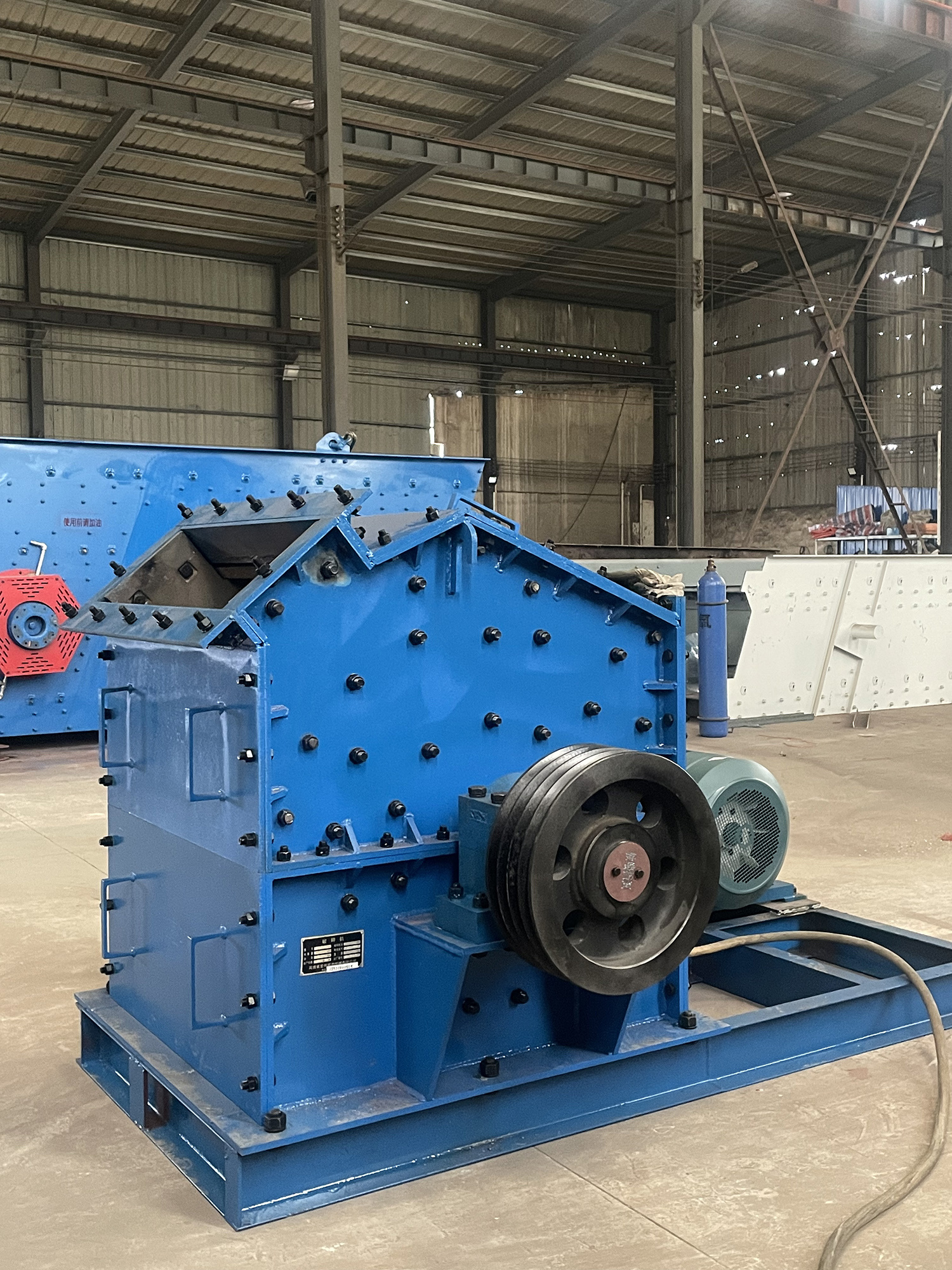
Three-Axis Vibrating Screens: Essential Tools for Modern Quarrying
Table of Contents
- Introduction to Three-Axis Vibrating Screens
- Understanding the Functionality of Vibrating Screens
- Advantages of Three-Axis Vibrating Screens
- Applications in the Quarrying Industry
- Comparing Three-Axis and Other Vibrating Screens
- Key Features of Three-Axis Vibrating Screens
- Maintenance and Care Tips
- Future Trends in Vibrating Screen Technology
- FAQs
- Conclusion
Introduction to Three-Axis Vibrating Screens
In the world of quarrying, efficiency and precision are paramount. The **Three-Axis Vibrating Screen** plays a critical role in achieving these objectives. This unique screening technology is designed to separate materials based on size, shape, and density, making it invaluable in the production of high-quality aggregates. Quarrying operations rely on this equipment not only to enhance productivity but also to maintain consistent quality in their output.
Understanding the Functionality of Vibrating Screens
At its core, a **Three-Axis Vibrating Screen** operates through a combination of rotation and vibration. The screen’s three-axis motion allows for optimal material separation, which is essential in various stages of the quarrying process.
The Mechanics of Three-Axis Vibration
The unique design of a Three-Axis Vibrating Screen involves a combination of horizontal, vertical, and inclined movements. This tri-directional motion facilitates the efficient sorting of materials, as the vibration causes particles to stratify, making it easier for larger materials to move toward the discharge points while finer materials sift through the screen mesh.
Screen Material and Design
The material used for the screen surface is typically high-carbon steel or other durable materials that can withstand the rigors of heavy-duty operations. The design also incorporates various mesh sizes, allowing for tailored screening solutions depending on the desired end product.
Advantages of Three-Axis Vibrating Screens
Adopting Three-Axis Vibrating Screens offers numerous advantages for modern quarrying operations:
Enhanced Screening Efficiency
The three-dimensional motion leads to higher efficiency in separating materials, which directly influences the overall productivity of a quarry.
Reduced Operational Costs
With increased efficiency comes reduced operational costs. Fewer screening cycles mean lower energy consumption and extended equipment lifespan, translating to significant cost savings.
Improved Quality of Aggregate Production
The precision of the separation process ensures that the quality of aggregates meets industry standards, allowing for the production of consistently high-quality outputs.
Applications in the Quarrying Industry
The versatility of Three-Axis Vibrating Screens makes them applicable across various sectors of the quarrying industry. They are commonly used for:
Crushed Stone Production
In crushed stone production, these screens efficiently sort and separate various sizes of crushed materials, ensuring that only the desired sizes are processed further.
Sand and Gravel Processing
For sand and gravel applications, Three-Axis Vibrating Screens help separate finer particles from larger ones, optimizing the material for construction and other uses.
Recycling Operations
In recycling, these screens facilitate the separation of materials such as metals, plastics, and glass, supporting sustainable practices in the quarrying industry.
Comparing Three-Axis and Other Vibrating Screens
When evaluating different vibrating screens, it is essential to understand how Three-Axis screens stack up against other types:
Two-Axis vs. Three-Axis
While two-axis screens provide a basic level of separation, Three-Axis screens offer enhanced efficiency and versatility, suitable for more complex screening requirements.
Linear vs. Circular Vibrating Screens
Linear screens primarily move in a straight line, while circular screens use a rotational motion. Three-Axis screens provide a combination of both, allowing for more effective material stratification.
Key Features of Three-Axis Vibrating Screens
Understanding the key features can help quarry managers make informed decisions regarding their screening equipment:
Adjustable Amplitude and Frequency
The ability to adjust amplitude and frequency allows operators to optimize the screening process based on the specific characteristics of the materials being processed.
Robust Construction
Three-Axis Vibrating Screens are built to withstand heavy loads and harsh environments, ensuring longevity and reliability in quarrying operations.
Easy Maintenance
Designs that focus on user-friendly maintenance processes ensure minimal downtime, allowing quarry operations to remain efficient and productive.
Maintenance and Care Tips
To maximize the lifespan and efficiency of Three-Axis Vibrating Screens, regular maintenance is crucial:
Routine Inspections
Conducting regular inspections for wear and tear can help identify issues before they escalate, ensuring continuous operation.
Lubrication
Proper lubrication of moving parts can reduce friction and wear, extending the life of the equipment.
Screen Mesh Replacement
Regularly checking and replacing worn screen mesh ensures that the separation efficiency remains high and consistent.
Future Trends in Vibrating Screen Technology
As technology continues to evolve, so too will the capabilities of vibrating screens:
Integration of Automation
Future vibrating screens will likely see greater automation, allowing for real-time adjustments based on material characteristics, leading to improved efficiency.
Enhanced Material Science
Advancements in material science may lead to stronger, lighter materials for screen construction, improving performance while reducing energy consumption.
Data-Driven Optimization
The use of data analytics and machine learning can provide insights into operation patterns, enabling proactive maintenance and further efficiency improvements.
FAQs
1. What is the primary function of a Three-Axis Vibrating Screen?
The primary function is to separate materials based on size, shape, and density through a unique three-dimensional motion.
2. How does a Three-Axis Vibrating Screen differ from other screen types?
It combines horizontal, vertical, and inclined movements, providing enhanced efficiency and versatility compared to two-axis or circular screens.
3. What industries benefit from Three-Axis Vibrating Screens?
Industries such as quarrying, mining, recycling, and construction benefit significantly from these machines.
4. How often should maintenance be performed on vibrating screens?
Routine inspections should be conducted regularly, with maintenance performed according to the manufacturer's guidelines to ensure optimal performance.
5. What is the expected lifespan of a Three-Axis Vibrating Screen?
With proper maintenance, these screens can last many years, typically ranging from 10 to 20 years depending on usage and operating conditions.
Conclusion
Three-Axis Vibrating Screens represent a significant advancement in the quarrying industry, offering enhanced efficiency, reduced operational costs, and improved quality of aggregate production. As technology continues to progress, the capabilities of these machines will only expand, making them indispensable tools for modern quarrying. Investing in high-quality Three-Axis Vibrating Screens not only optimizes operations but also contributes to the sustainability and productivity of the industry.
Hot Tags:

Contact Us
E-mail:byunfei2000@gmail.com
Wechat/WhatsApp:+86 17324886663
WhatsApp:+86 18738568071
Address:No. 12 Industrial Road, Zhaipo Town, Xinxiang, Henan Province


REQUEST QUOTE
We will contact you within one working day. Please pay attention to your email.