

How to Choose the Right Buried Scraper Conveyor for Your Silo: A Comprehensive Guide
Apr 29,2026
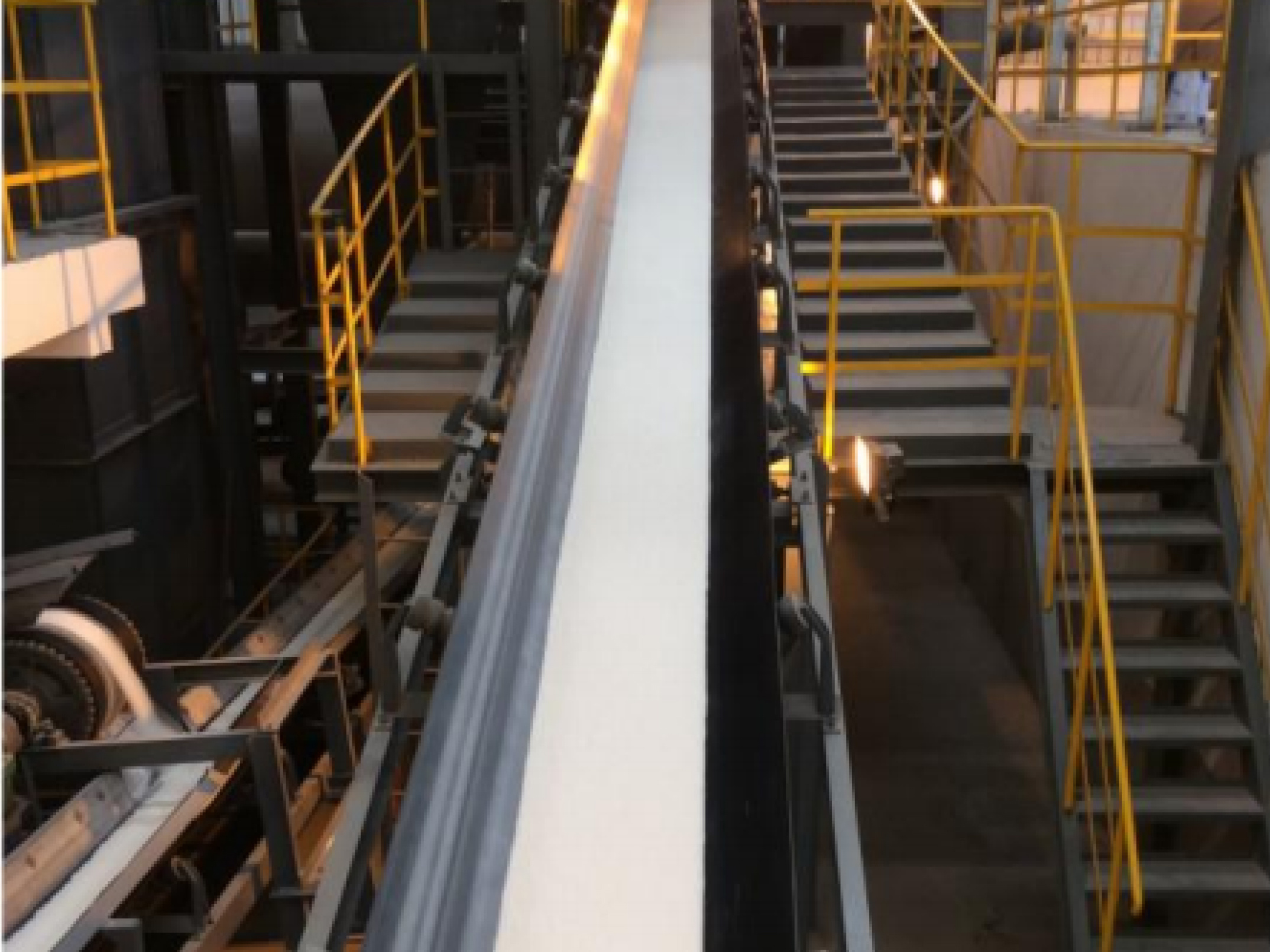
How to Choose the Right Buried Scraper Conveyor for Your Silo
Choosing the right buried scraper conveyor for your silo can significantly impact your operational efficiency and overall productivity. With numerous options available in the market, making a well-informed decision is vital. In this guide, we will delve into the critical aspects of selecting the perfect buried scraper conveyor, addressing your needs while ensuring optimal performance and durability.
Table of Contents
- Understanding Buried Scraper Conveyors
- Key Factors to Consider When Choosing a Buried Scraper Conveyor
- Design Considerations for Buried Scraper Conveyors
- Material Selection for Conveyors
- Evaluating Silo Capacity and Layout
- Maintenance Requirements and Best Practices
- Cost Analysis and Budgeting for Your Conveyor
- Frequently Asked Questions
- Conclusion
Understanding Buried Scraper Conveyors
A buried scraper conveyor is a vital component in conveying bulk materials from silos. These systems are designed to operate efficiently underground, minimizing the space required above ground while ensuring safe and reliable transport of materials. Buried scraper conveyors utilize a series of scrapers attached to a chain or belt, effectively moving materials from the silo to the desired location.
These conveyors are particularly beneficial in agricultural, industrial, and manufacturing sectors, where space optimization and material handling efficiency are paramount. Their design allows for the seamless transportation of various materials, including grains, fertilizers, and other bulk products.
Key Factors to Consider When Choosing a Buried Scraper Conveyor
When selecting a buried scraper conveyor for your silo, several key factors come into play. Understanding these elements will enable you to choose a system tailored to your specific needs and operational requirements.
1. Material Characteristics
Identify the type of material you will be conveying. Different materials have unique handling requirements, such as density, moisture content, and abrasiveness. Understanding these characteristics will help you select the most suitable conveyor system designed to handle your specific materials effectively.
2. Conveyor Length and Width
The length and width of the conveyor must be determined based on the silo’s dimensions and the distance materials need to be transported. Accurate measurements will prevent potential bottlenecks in your material handling processes.
3. Drive System Efficiency
Evaluate the efficiency of the drive system used in the conveyor. A reliable drive system will ensure optimal performance and longevity of the equipment. Consider options such as electric motors or hydraulic drives, depending on your operational requirements.
Design Considerations for Buried Scraper Conveyors
The design of your buried scraper conveyor is critical to its performance and efficiency. Several design considerations must be addressed during the selection process.
1. Installation Depth
Determine the appropriate installation depth for the scraper conveyor. This depth will influence the conveyor's accessibility and maintenance requirements. Ideally, the conveyor should be installed at a depth that allows easy access for repairs and maintenance while remaining effective in material transport.
2. Alignment and Angle of Inclination
Proper alignment and angle of inclination are paramount for optimal material flow and operational efficiency. Ensure that the conveyor is aligned correctly with the silo and that the angle of inclination is suitable for the type of materials being conveyed.
Material Selection for Conveyors
The materials used in the construction of the buried scraper conveyor must withstand the rigors of the operational environment. Consider the following elements when selecting materials:
1. Corrosion Resistance
Given the potential for exposure to moisture and various materials, it is crucial to select corrosion-resistant materials. Stainless steel or specially coated components can provide enhanced durability and longevity.
2. Abrasion Resistance
For materials that are abrasive, choosing conveyor components made from high-strength steel or wear-resistant alloys will minimize wear and extend the lifespan of the conveyor.
3. Temperature Tolerance
If materials being conveyed have extreme temperature characteristics, ensure the conveyor system is designed to handle these conditions without compromising performance.
Evaluating Silo Capacity and Layout
Understanding your silo’s capacity and layout is essential for selecting the right buried scraper conveyor. Evaluate the following:
1. Silo Capacity
Calculate the total capacity of your silo and determine the flow rates required for optimal material handling. This information will guide your selection of conveyor size and speed.
2. Silo Layout
The layout of your silo influences the design of your conveyor system. Ensure there is adequate space for installation and maintenance while considering potential future expansions.
Maintenance Requirements and Best Practices
Routine maintenance is vital to ensuring the longevity and efficient operation of your buried scraper conveyor. Implement the following best practices:
1. Regular Inspections
Schedule regular inspections to identify wear and tear or other potential issues. Early detection can prevent costly repairs and downtime.
2. Lubrication
Proper lubrication of moving parts is crucial for minimizing friction and wear. Follow the manufacturer’s guidelines for lubrication intervals and types of lubricants to use.
3. Component Replacement
Be proactive in replacing worn components before they fail. Keeping an inventory of essential parts can expedite repairs and reduce downtime.
Cost Analysis and Budgeting for Your Conveyor
Conducting a thorough cost analysis will help you budget for your buried scraper conveyor effectively. Consider the following elements:
1. Initial Investment
Assess the initial cost of the conveyor system, including installation. Ensure you factor in any additional costs for accessories or modifications required for your specific operation.
2. Operating Costs
Evaluate ongoing operating costs, including energy consumption, maintenance, and potential repairs. Understanding these costs will help you anticipate your budget requirements over the conveyor's lifespan.
3. ROI Analysis
Conduct a return on investment (ROI) analysis to determine the financial benefits of your conveyor system over time. This analysis will provide insight into the long-term value of your investment.
Frequently Asked Questions
1. What materials can be handled by a buried scraper conveyor?
Buried scraper conveyors can handle a variety of bulk materials, including grains, feed, fertilizers, and various industrial products. The specific design may vary based on the material's characteristics.
2. How deep should a buried scraper conveyor be installed?
The installation depth can vary based on operational needs and site conditions. It is important to ensure the depth allows for efficient material transport while facilitating maintenance access.
3. What maintenance is required for a buried scraper conveyor?
Regular inspections, lubrication, and timely replacement of worn components are essential maintenance practices to ensure optimal performance and longevity of the conveyor.
4. How do I determine the right size for my buried scraper conveyor?
Consider the dimensions of your silo, the flow rates required, and the characteristics of the materials to determine the appropriate size for your conveyor.
5. What is the typical lifespan of a buried scraper conveyor?
The lifespan can vary based on material handling, operational conditions, and maintenance practices. With proper care, they can last for many years, often exceeding a decade.
Conclusion
Selecting the right buried scraper conveyor for your silo is crucial for ensuring efficient material handling and optimizing operational performance. By understanding the key factors, design considerations, maintenance requirements, and costs associated with these systems, you can make an informed decision that meets your specific needs. Investing time in research and planning will pay off in the long run, leading to increased productivity and reduced operational headaches. With the right buried scraper conveyor, you can enhance your silo's functionality and streamline your material handling processes effectively.
Hot Tags:

Contact Us
E-mail:byunfei2000@gmail.com
Wechat/WhatsApp:+86 17324886663
WhatsApp:+86 18738568071
Address:No. 12 Industrial Road, Zhaipo Town, Xinxiang, Henan Province


REQUEST QUOTE
We will contact you within one working day. Please pay attention to your email.