

A Comprehensive Guide to Implementing Buried Scraper Conveyors in Coal Ash Systems
May 03,2026
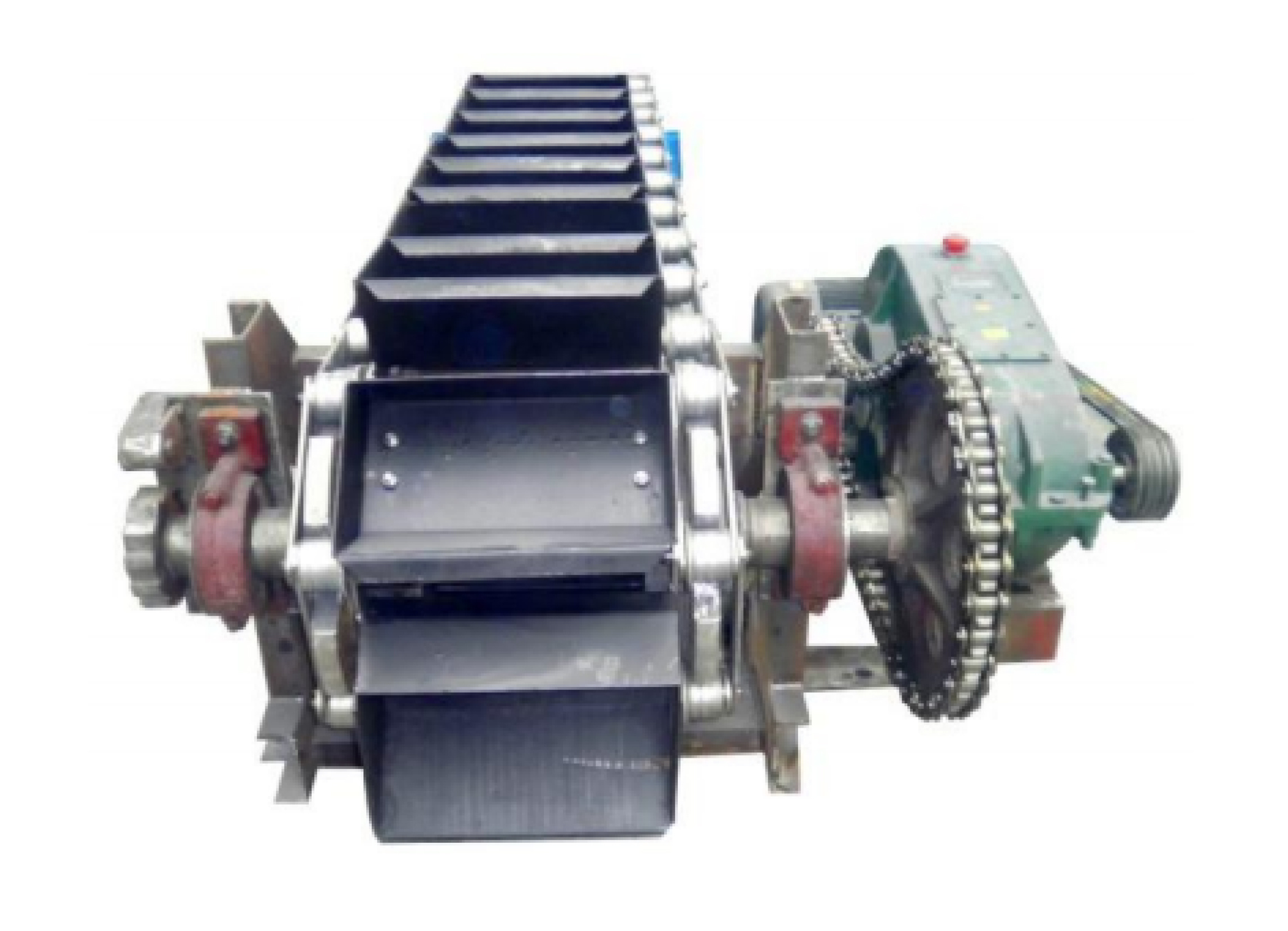
A Comprehensive Guide to Implementing Buried Scraper Conveyors in Coal Ash Systems
Table of Contents
- 1. Introduction to Buried Scraper Conveyors
- 2. Advantages of Using Buried Scraper Conveyors in Coal Ash Systems
- 3. Key Design Considerations for Buried Scraper Conveyors
- 4. Installation Process of Buried Scraper Conveyors
- 5. Maintenance and Care of Buried Scraper Conveyors
- 6. Improving Operational Efficiency with Buried Scraper Conveyors
- 7. Troubleshooting Common Issues
- 8. Case Studies: Successful Implementations
- 9. Conclusion
- 10. Frequently Asked Questions
1. Introduction to Buried Scraper Conveyors
Buried scraper conveyors play a crucial role in the efficient handling of coal ash, a byproduct of coal combustion in power plants. These conveyors are designed to transport bulk materials from one point to another while minimizing dust emissions and environmental impact. With a configuration that keeps the conveyor system below ground level, buried scraper conveyors offer a streamlined solution for managing coal ash in various industrial settings.
By integrating these systems, industries can not only enhance productivity but also maintain compliance with strict environmental regulations. This guide will delve into the essentials of implementing buried scraper conveyors in coal ash systems, covering everything from design considerations to troubleshooting.
2. Advantages of Using Buried Scraper Conveyors in Coal Ash Systems
The benefits of utilizing buried scraper conveyors in coal ash systems are substantial. Here are some key advantages:
Reduced Dust Emissions
One of the most significant challenges in handling coal ash is the generation of dust, which can affect air quality and worker health. Buried scraper conveyors effectively mitigate dust emissions by enclosing the material and minimizing exposure to air.
Space Efficiency
By operating below ground, buried scraper conveyors save valuable surface space, making them ideal for facilities with limited room. This space efficiency allows for the optimal organization of processing plants and better use of surfaces above ground.
Increased Safety
With reduced exposure to hazardous materials and dust, the implementation of buried scraper conveyors enhances workplace safety. Workers are less likely to be exposed to harmful substances, promoting a healthier work environment.
Cost-Effectiveness
In the long run, buried scraper conveyors can lead to reduced operational costs. Their robust construction and lower maintenance requirements result in savings on labor and repair costs, increasing overall efficiency.
3. Key Design Considerations for Buried Scraper Conveyors
When designing a buried scraper conveyor system for coal ash handling, several critical factors come into play:
System Capacity
Determining the required capacity is paramount. The system must be designed to handle the expected volume of coal ash, factoring in peak loads and potential future increases.
Material Properties
Understanding the characteristics of coal ash—such as particle size, flowability, and moisture content—is vital for effective system design. These properties influence the choice of materials and the configuration of the conveyor.
Environmental Conditions
Consideration of external environmental conditions is crucial. Factors such as temperature, humidity, and potential corrosive elements found in coal ash should inform material selection and design.
Layout and Routing
The layout of the conveyor system must optimize space while ensuring efficient transport. It is essential to consider the routing of the conveyor, including any necessary curves and transitions.
4. Installation Process of Buried Scraper Conveyors
The installation of buried scraper conveyors involves several key steps that ensure successful integration into existing coal ash systems:
Site Preparation
Before installation begins, site preparation is essential. This includes the excavation of trenches or pits where the conveyor will be housed, ensuring compliance with specified dimensions and angles.
Foundation and Support Structures
A robust foundation is critical for the long-term performance of the conveyor system. Installation of support structures will help maintain alignment and stability under operational loads.
Conveyor Assembly
Following the foundation work, the assembly of the scraper conveyor components can begin. This includes the installation of the trough, drive system, and any necessary accessories.
Electrical and Control Systems
Once the mechanical elements are in place, electrical and control systems must be installed. This includes wiring for motors, sensors, and controls that facilitate the operation of the conveyor.
Testing and Commissioning
After installation, thorough testing is necessary to ensure the system functions correctly. Commissioning involves checking for alignment, operational efficiency, and safety features.
5. Maintenance and Care of Buried Scraper Conveyors
Regular maintenance is critical to the longevity and efficiency of buried scraper conveyors. Implementing a proactive maintenance schedule can prevent costly repairs and downtime.
Routine Inspections
Frequent inspections allow for the early detection of potential issues. Check for wear and tear on components, proper alignment, and any signs of material buildup.
Lubrication of Moving Parts
Proper lubrication of moving parts is essential for reducing friction and wear. Establish a lubrication schedule based on operational hours and environmental conditions.
Cleaning and Material Removal
Maintaining cleanliness within the conveyor system is vital for efficient operation. Regularly inspect and clean out any residual coal ash or debris that may accumulate over time.
Replacement of Worn Components
Identify and replace worn or damaged components promptly to prevent further damage to the system. This may include scrapers, chains, and drive components.
6. Improving Operational Efficiency with Buried Scraper Conveyors
Enhancing the efficiency of buried scraper conveyors in coal ash systems can lead to significant operational improvements. Here are strategies to consider:
Monitor Performance Metrics
Tracking performance metrics such as throughput, downtime, and energy consumption can provide valuable insights into the operational efficiency of the system. Use this data to identify areas for improvement.
Integrate Automation Technologies
Implementing automation technologies can streamline operations and reduce human error. Consider integrating sensors and automated controls for real-time monitoring and adjustments.
Employee Training
Investing in employee training ensures that operators are knowledgeable about the system and best practices for operation and maintenance. This can lead to more efficient handling of coal ash.
7. Troubleshooting Common Issues
Despite proper installation and maintenance, issues may arise in buried scraper conveyors. Here are some common problems and their solutions:
Slippage of Scraper Chains
If scraper chains are slipping, inspect for proper tension and alignment. Adjust tension as necessary, and ensure that the drive system is functioning correctly.
Blockages
Blockages can occur due to material buildup or improper alignment. Regular cleaning and inspection can help mitigate this issue. If blockages persist, reevaluate material properties and flow characteristics.
Excessive Wear on Components
Excessive wear may indicate that the conveyor is not operating within its design parameters. Check for misalignment, overloading, or inappropriate materials being processed.
8. Case Studies: Successful Implementations
Examining real-world examples of buried scraper conveyor implementations can provide valuable insights and lessons learned.
Case Study 1: Power Plant A
In Power Plant A, the adoption of buried scraper conveyors reduced coal ash handling costs by 20%. Key factors in their success included thorough training for operators and the integration of automated monitoring systems.
Case Study 2: Industrial Facility B
Industrial Facility B experienced a significant improvement in safety and environmental compliance after installing buried scraper conveyors. The facility implemented regular inspections and proactive maintenance schedules, leading to enhanced operational reliability.
9. Conclusion
Implementing buried scraper conveyors in coal ash systems presents numerous advantages, including reduced dust emissions, enhanced safety, and improved cost-effectiveness. By carefully considering design, installation, and maintenance practices, industries can optimize their coal ash handling processes. As demonstrated through various case studies, successful implementation hinges on thorough planning, training, and ongoing support.
Investing in a buried scraper conveyor system not only streamlines operations but also aligns with environmental goals, making it a strategic choice for modern industrial operations.
10. Frequently Asked Questions
What are buried scraper conveyors?
Buried scraper conveyors are systems designed to transport bulk materials, specifically coal ash, below ground level. They are effective in minimizing dust emissions and optimizing space.
How do buried scraper conveyors improve safety?
These conveyors reduce exposure to hazardous dust and materials, creating a safer work environment for employees.
What maintenance is required for buried scraper conveyors?
Regular inspections, lubrication of moving parts, and cleaning are essential components of a maintenance schedule for buried scraper conveyors.
Can buried scraper conveyors handle wet coal ash?
Yes, but design considerations must account for the moisture content and flowability of wet coal ash to ensure efficient transport.
How do I troubleshoot a blockage in the system?
Inspect the conveyor for misalignment and residue buildup. Regular maintenance and cleaning schedules can help prevent blockages from occurring.
By addressing these common queries, we can provide further clarity on the implementation and operation of buried scraper conveyors in coal ash systems.
Hot Tags:

Contact Us
E-mail:byunfei2000@gmail.com
Wechat/WhatsApp:+86 17324886663
WhatsApp:+86 18738568071
Address:No. 12 Industrial Road, Zhaipo Town, Xinxiang, Henan Province


REQUEST QUOTE
We will contact you within one working day. Please pay attention to your email.