

Enhancing Aggregate Production with Cone Crushers in Secondary Crushing
May 15,2026
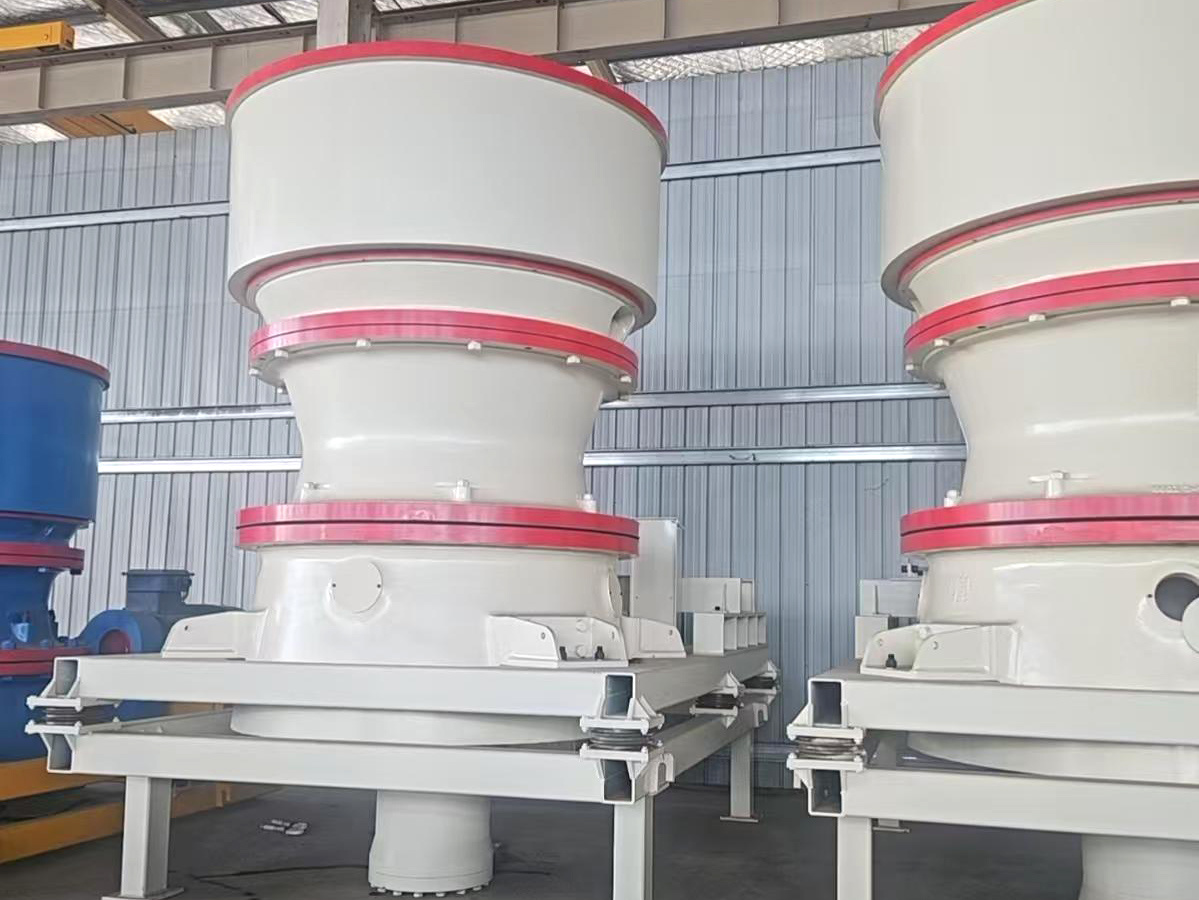
Enhancing Aggregate Production with Cone Crushers in Secondary Crushing
Table of Contents
- 1. Introduction to Cone Crushers in Aggregate Production
- 2. Understanding Cone Crushers: Mechanism and Functionality
- 3. Benefits of Using Cone Crushers in Secondary Crushing
- 4. Applications of Cone Crushers in Aggregate Production
- 5. Optimizing the Secondary Crushing Process with Cone Crushers
- 6. Maintenance and Sustainability of Cone Crushers
- 7. Future Trends in Aggregate Production and Cone Crushers
- 8. Conclusion
- 9. Frequently Asked Questions
1. Introduction to Cone Crushers in Aggregate Production
In the realm of **aggregate production**, the efficiency of the crushing process is paramount. Cone crushers have emerged as a vital tool for enhancing aggregate production, particularly in the **secondary crushing stage**. This article delves into the multifaceted advantages of utilizing cone crushers, elucidating their mechanism and impact on aggregate quality and yield.
2. Understanding Cone Crushers: Mechanism and Functionality
Cone crushers operate on a principle of **compression**. The material is fed into the crusher, where it is crushed between a fixed outer cone and a moving inner cone. This design allows for effective size reduction while ensuring a uniform product.
2.1 Key Components of a Cone Crusher
Understanding the components is essential to grasping how cone crushers work. Key parts include:
- **Cone Head**: The inner cone that moves to crush the materials.
- **Bowl**: The outer cone that holds the material and helps facilitate crushing.
- **Mantle**: A wear-resistant surface that surrounds the cone head.
- **Drive Mechanism**: Powers the movement of the cone head.
2.2 Working Principle of Cone Crushers
The working principle involves the **eccentric rotation** of the cone head, which compresses and fractures the material. This process not only reduces the size of the aggregate but also enhances the shape, making it ideal for construction applications.
3. Benefits of Using Cone Crushers in Secondary Crushing
Employing cone crushers in the secondary stage of aggregate production offers myriad benefits:
3.1 Enhanced Quality of Aggregates
Cone crushers produce finer materials with a more uniform shape, which is crucial for high-quality concrete and asphalt manufacturing.
3.2 Increased Production Capacity
The design of cone crushers allows for higher throughput rates, enabling more material to be processed in less time.
3.3 Versatility in Material Handling
Cone crushers can efficiently handle various materials, including hard rocks and recycled aggregates, making them suitable for diverse applications.
3.4 Lower Operational Costs
With fewer moving parts compared to other types of crushers, cone crushers require less maintenance, translating into lower operational costs over time.
4. Applications of Cone Crushers in Aggregate Production
Cone crushers are utilized in various applications within aggregate production:
4.1 Road Construction
The high-quality aggregates produced by cone crushers are essential for creating durable road surfaces.
4.2 Concrete Production
The consistent particle size and shape contribute to the strength and durability of concrete mixes.
4.3 Asphalt Production
Recycled aggregate from cone crushers can be blended into asphalt, promoting sustainability in construction practices.
5. Optimizing the Secondary Crushing Process with Cone Crushers
To maximize the efficiency of cone crushers in secondary crushing, it is crucial to implement best practices:
5.1 Proper Material Feed
Ensuring a consistent feed rate and size reduces the risk of overloading the crusher, enhancing performance and product quality.
5.2 Regular Monitoring and Adjustment
Utilizing technology to monitor performance metrics allows for real-time adjustments, optimizing the crushing process.
5.3 Implementing Automation
Automated systems can enhance operational efficiency by optimizing the crusher's settings based on the material being processed.
6. Maintenance and Sustainability of Cone Crushers
Maintaining cone crushers is vital to ensure longevity and performance:
6.1 Routine Inspections
Regular inspections of wear parts, lubrication systems, and hydraulic systems can prevent unexpected downtime.
6.2 Sustainable Practices
Implementing sustainable practices, such as using energy-efficient motors and recycling water in the washing process, contributes to environmental stewardship.
7. Future Trends in Aggregate Production and Cone Crushers
As technology evolves, so too does the role of cone crushers in aggregate production:
7.1 Advancements in Automation
Future cone crushers will likely incorporate more advanced automation features, improving operational efficiency and reducing labor costs.
7.2 Integration of AI and Machine Learning
AI-driven analytics will help optimize crushing parameters, leading to enhanced performance and predictive maintenance.
7.3 Sustainability Initiatives
The construction industry is moving towards more sustainable practices, and cone crushers will play a key role in facilitating the use of recycled materials.
8. Conclusion
Cone crushers are indispensable in the aggregate production landscape, especially during the secondary crushing phase. By providing enhanced quality, increased production capacity, and lower operational costs, they are integral to building sustainable infrastructure. As technology continues to advance, the role of cone crushers will only expand, paving the way for more efficient and eco-friendly aggregate production.
9. Frequently Asked Questions
1. What materials can be processed by cone crushers?
Cone crushers can process a variety of materials, including hard rocks, gravel, and recycled aggregates.
2. How does the size of the cone crusher affect production?
The size of the cone crusher influences its capacity and the size of the output material. Larger crushers can handle more material and produce larger quantities of aggregate.
3. What maintenance is required for cone crushers?
Routine maintenance includes inspecting wear parts, checking lubrication, and ensuring the hydraulic systems are functioning properly.
4. Can cone crushers handle moist materials?
While cone crushers can handle some moisture, excessive moisture can affect performance and material quality.
5. How do I choose the right cone crusher for my application?
Choosing the right cone crusher depends on factors such as material type, desired output size, and production capacity requirements.
By focusing on these aspects and understanding the critical role of cone crushers in secondary crushing, businesses can enhance their aggregate production processes and meet the growing demands of the construction industry.
Hot Tags:

Contact Us
E-mail:byunfei2000@gmail.com
Wechat/WhatsApp:+86 17324886663
WhatsApp:+86 18738568071
Address:No. 12 Industrial Road, Zhaipo Town, Xinxiang, Henan Province


REQUEST QUOTE
We will contact you within one working day. Please pay attention to your email.