

Revolutionizing Construction Waste Management with Jaw Crushers
May 29,2026
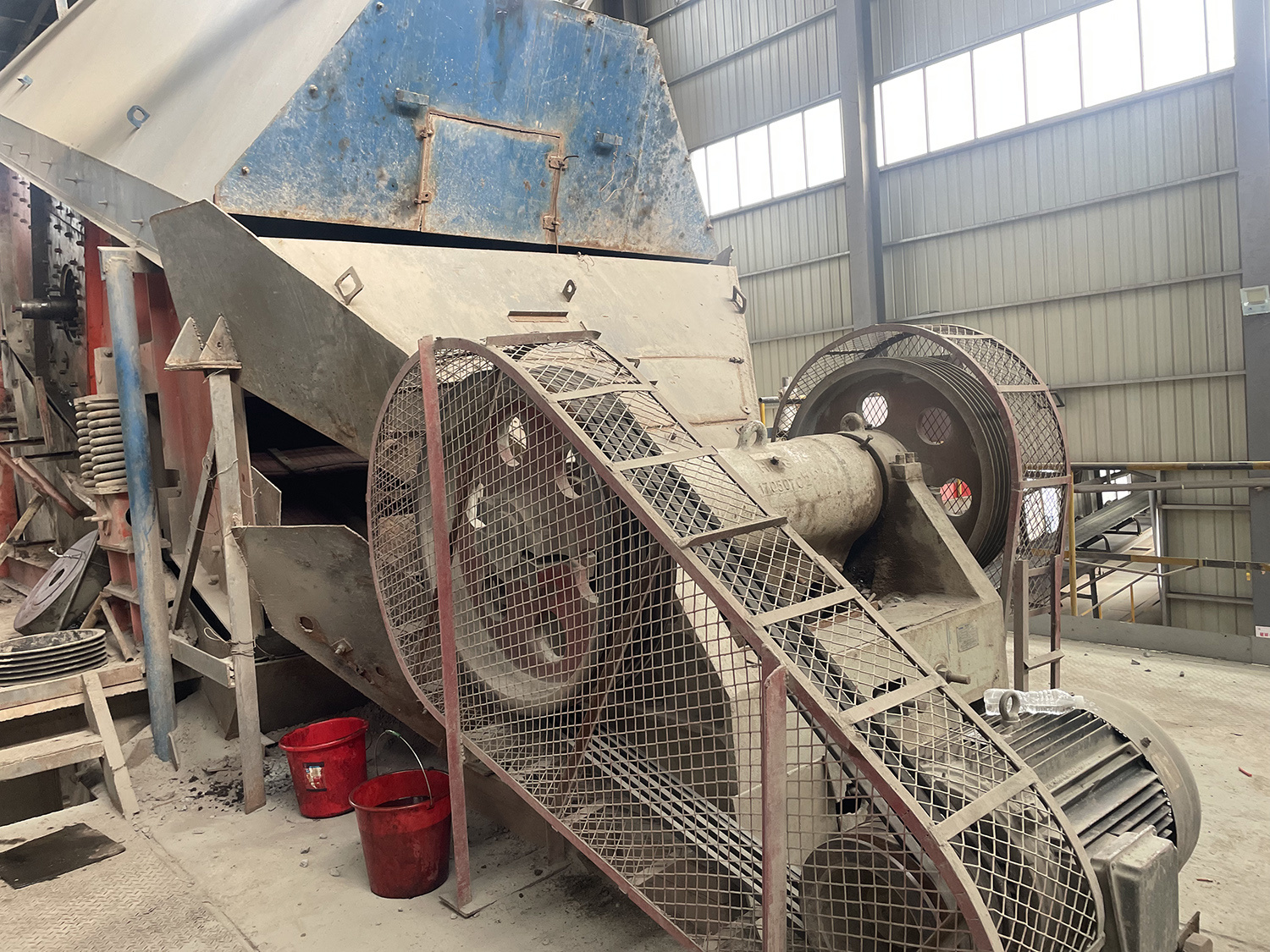
In the realm of construction, the management of waste materials is an increasingly critical challenge. With the rise of urbanization and the subsequent increase in construction activities, the amount of waste produced has skyrocketed. This is where jaw crushers come into play, offering a robust solution for the recycling and processing of construction waste.
Jaw crushers are powerful machines designed to reduce large chunks of material into smaller, manageable pieces. They operate on a simple principle: two jaws, one stationary and one moving, work together to crush the material as it is fed into the machine. This mechanism allows for the efficient processing of a variety of materials, including concrete, brick, and asphalt, which are commonly found in construction debris.
One of the key advantages of using jaw crushers for construction waste is their ability to produce reusable aggregate. As the construction industry increasingly focuses on sustainability, the ability to recycle and repurpose waste materials is crucial. The crushed materials can be screened and sorted to create high-quality aggregates, which can then be used in new construction projects, reducing the need for virgin materials and minimizing environmental impact.
Moreover, jaw crushers are known for their durability and reliability. They are designed to withstand the tough conditions of construction sites, ensuring that they can handle the heavy and abrasive nature of construction waste. This durability translates to lower maintenance costs and increased uptime, making them a cost-effective choice for contractors and waste management companies alike.
Additionally, the compact design of jaw crushers allows for easier transportation and setup on job sites. Their mobility enables operators to move the machinery closer to the waste source, reducing the need for transporting waste to processing facilities, which can be both time-consuming and costly. This mobility is especially beneficial in urban environments, where space is often limited.
In summary, jaw crushers serve an integral role in managing construction waste by facilitating the recycling and repurposing of materials. Their efficient design, durability, and mobility make them a valuable asset in today’s construction industry, contributing to more sustainable practices and helping to mitigate the environmental impact of waste. As the demand for eco-friendly construction methods continues to grow, the importance of jaw crushers in waste management will undoubtedly increase, positioning them as a cornerstone of modern construction operations.
Jaw crushers are powerful machines designed to reduce large chunks of material into smaller, manageable pieces. They operate on a simple principle: two jaws, one stationary and one moving, work together to crush the material as it is fed into the machine. This mechanism allows for the efficient processing of a variety of materials, including concrete, brick, and asphalt, which are commonly found in construction debris.
One of the key advantages of using jaw crushers for construction waste is their ability to produce reusable aggregate. As the construction industry increasingly focuses on sustainability, the ability to recycle and repurpose waste materials is crucial. The crushed materials can be screened and sorted to create high-quality aggregates, which can then be used in new construction projects, reducing the need for virgin materials and minimizing environmental impact.
Moreover, jaw crushers are known for their durability and reliability. They are designed to withstand the tough conditions of construction sites, ensuring that they can handle the heavy and abrasive nature of construction waste. This durability translates to lower maintenance costs and increased uptime, making them a cost-effective choice for contractors and waste management companies alike.
Additionally, the compact design of jaw crushers allows for easier transportation and setup on job sites. Their mobility enables operators to move the machinery closer to the waste source, reducing the need for transporting waste to processing facilities, which can be both time-consuming and costly. This mobility is especially beneficial in urban environments, where space is often limited.
In summary, jaw crushers serve an integral role in managing construction waste by facilitating the recycling and repurposing of materials. Their efficient design, durability, and mobility make them a valuable asset in today’s construction industry, contributing to more sustainable practices and helping to mitigate the environmental impact of waste. As the demand for eco-friendly construction methods continues to grow, the importance of jaw crushers in waste management will undoubtedly increase, positioning them as a cornerstone of modern construction operations.
Hot Tags:

Contact Us
E-mail:byunfei2000@gmail.com
Wechat/WhatsApp:+86 17324886663
WhatsApp:+86 18738568071
Address:No. 12 Industrial Road, Zhaipo Town, Xinxiang, Henan Province


REQUEST QUOTE
We will contact you within one working day. Please pay attention to your email.