

From Waste to Resource: Jaw Crushers in Construction Recycling
Feb 28,2026
From Waste to Resource: Jaw Crushers in Construction Recycling
Table of Contents
- 1. Introduction to Construction Recycling
- 2. The Importance of Jaw Crushers in Construction Recycling
- 3. How Jaw Crushers Work: Mechanisms and Functions
- 4. Benefits of Using Jaw Crushers for Recycling
- 5. Types of Materials Processed by Jaw Crushers
- 6. Case Studies: Successful Applications of Jaw Crushers
- 7. Environmental Impact of Using Jaw Crushers
- 8. The Future of Jaw Crushers in Construction Recycling
- 9. FAQs About Jaw Crushers in Construction Recycling
- 10. Conclusion
1. Introduction to Construction Recycling
The construction industry generates a significant amount of waste each year. With increased awareness regarding sustainability and resource conservation, there has been a paradigm shift towards recycling materials from construction. This not only helps in waste reduction but also promotes the efficient use of resources. **Jaw crushers** have emerged as pivotal machines in this recycling process, enabling the conversion of waste materials into reusable resources.
2. The Importance of Jaw Crushers in Construction Recycling
Jaw crushers play a crucial role in transforming construction waste into valuable materials. Their ability to crush large, bulky materials into smaller, manageable pieces allows for easier handling and processing. Here are some key reasons why jaw crushers are essential in construction recycling:
2.1 Efficient Size Reduction
Jaw crushers efficiently reduce the size of various materials, including concrete, asphalt, and brick. By breaking down these materials, they facilitate further processing and recycling.
2.2 Versatility
These crushers are versatile and can accommodate a wide range of materials. Whether it is demolition debris or crushed stone, jaw crushers can handle it all, making them ideal for recycling operations.
2.3 Cost-Effective Solution
Using jaw crushers in recycling can significantly reduce disposal costs associated with waste materials. Recycling helps save on landfill fees and provides a cost-effective pathway for reusing materials.
3. How Jaw Crushers Work: Mechanisms and Functions
Understanding the mechanics of jaw crushers is essential to appreciate their role in recycling. They operate using a simple yet effective principle: compression.
3.1 Components of a Jaw Crusher
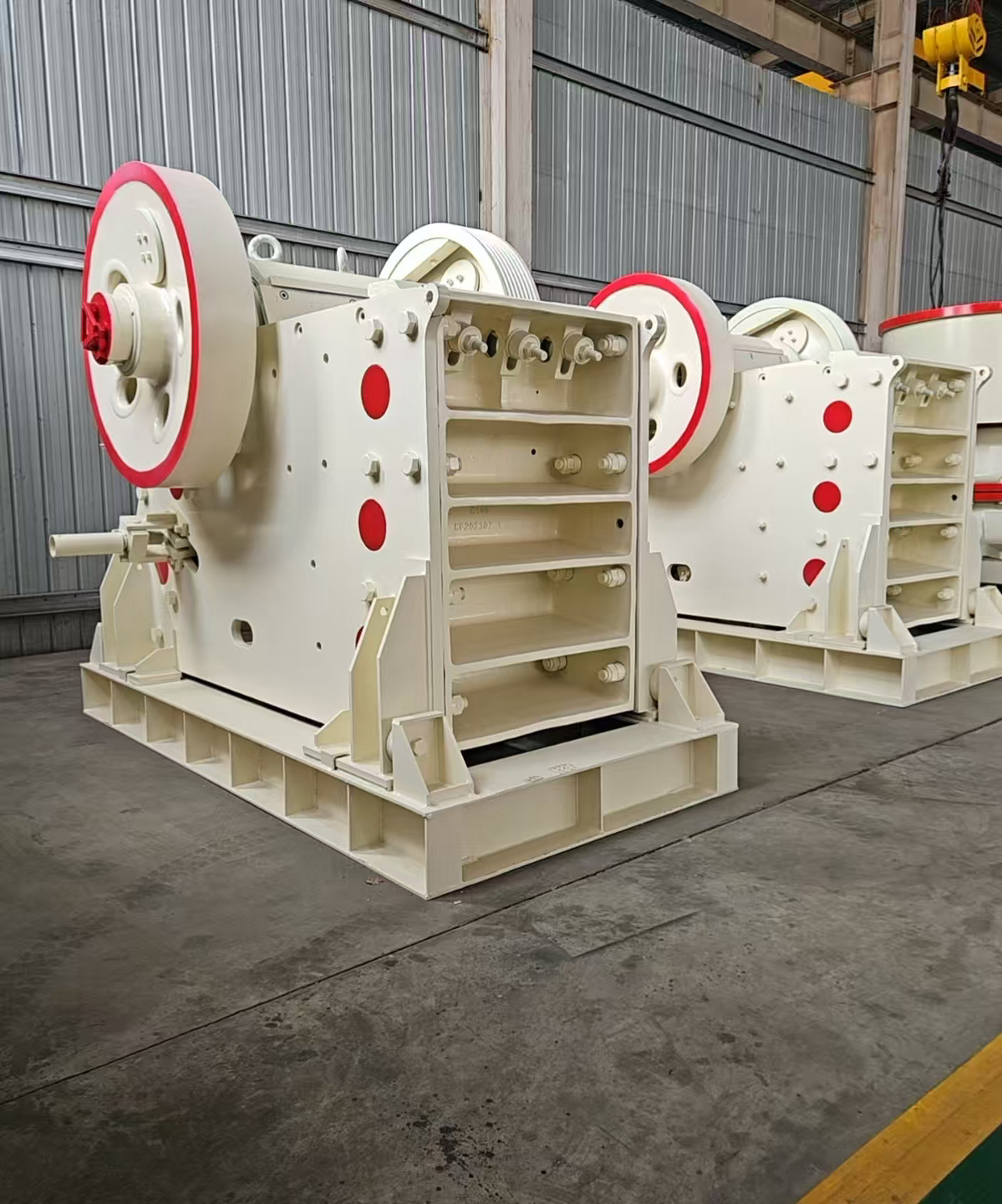
A typical jaw crusher consists of two jaws: a fixed jaw and a movable jaw. The space between the jaws determines the size of the crushed material. The movable jaw applies force to the material, breaking it down as it moves toward the fixed jaw.
3.2 Crushing Process
The material is fed into the jaw crusher's chamber and is subjected to powerful crushing forces. As the movable jaw approaches the fixed jaw, the material is crushed. Once it reaches the desired size, it exits the chamber, ready for further processing or recycling.
4. Benefits of Using Jaw Crushers for Recycling
Utilizing jaw crushers for construction recycling presents numerous advantages:
4.1 Improved Material Quality
Jaw crushers produce high-quality aggregate from recycled materials. This enhances the overall quality of construction projects and contributes to better structural integrity.
4.2 Enhanced Productivity
With their robust construction and powerful crushing capabilities, jaw crushers can handle high volumes of materials, improving overall productivity and efficiency in recycling operations.
4.3 Environmental Benefits
By promoting recycling, jaw crushers contribute to reducing the environmental impact of construction activities. They help minimize landfill waste, conserve natural resources, and reduce carbon emissions associated with new material production.
5. Types of Materials Processed by Jaw Crushers
Jaw crushers can efficiently process a variety of materials, making them highly relevant in recycling. Some of the primary materials processed include:
5.1 Concrete
Concrete is one of the most common materials recycled using jaw crushers. These machines can crush old concrete slabs, sidewalks, and other structures, turning them into usable aggregate.
5.2 Asphalt
Similarly, asphalt is another material that benefits greatly from jaw crusher technology. Recycling asphalt reduces the need for new materials and lowers production costs.
5.3 Brick and Masonry
Brick and masonry waste can also be processed effectively. Jaw crushers break down these materials, providing high-quality aggregate for various construction applications.
6. Case Studies: Successful Applications of Jaw Crushers
Several companies have successfully integrated jaw crushers into their recycling operations. Here are a few notable case studies:
6.1 Urban Recycling Projects
In urban environments, construction projects often lead to significant waste generation. Companies have employed jaw crushers to recycle concrete and asphalt from demolished buildings, significantly reducing landfill contributions.
6.2 Road Construction
Local governments have utilized jaw crushers to process waste materials from road construction projects. The recycled materials are then reused in new road surfacing, demonstrating a sustainable approach to infrastructure development.
7. Environmental Impact of Using Jaw Crushers
The environmental implications of recycling construction waste using jaw crushers are profound.
7.1 Reduction in Landfill Use
By recycling materials, jaw crushers significantly decrease the volume of waste sent to landfills, which is vital for sustainable waste management.
7.2 Conservation of Natural Resources
Producing new construction materials often involves mining and quarrying, which can lead to habitat destruction. Recycling materials with jaw crushers helps conserve these valuable natural resources.
8. The Future of Jaw Crushers in Construction Recycling
As technology advances, the future of jaw crushers in construction recycling looks promising. Innovations in design, efficiency, and automation are expected to enhance their performance further.
8.1 Automation and Smart Technology
The integration of smart technology into jaw crushers will enable real-time monitoring of performance and predictive maintenance, reducing downtime and maximizing productivity.
8.2 Enhanced Environmental Regulations
As regulations surrounding waste management become stricter, the adoption of jaw crushers for recycling will likely increase, driving the need for more efficient and environmentally friendly solutions.
9. FAQs About Jaw Crushers in Construction Recycling
9.1 What types of materials can jaw crushers recycle?
Jaw crushers can recycle concrete, asphalt, brick, and various other construction materials.
9.2 How does a jaw crusher improve recycling efficiency?
Jaw crushers reduce materials to a manageable size, allowing for quicker handling and processing, thus enhancing overall recycling efficiency.
9.3 Are jaw crushers environmentally friendly?
Yes, jaw crushers contribute to environmental sustainability by reducing landfill waste and conserving natural resources through recycling.
9.4 What are the maintenance requirements for jaw crushers?
Regular maintenance includes checking wear parts, lubricating components, and ensuring proper alignment to maintain peak performance.
9.5 How do jaw crushers compare to other types of crushers?
Jaw crushers are particularly effective for primary crushing and are known for their superior crushing ratio and ability to handle large volumes of material.
10. Conclusion
Jaw crushers have transformed the landscape of construction recycling, enabling the efficient processing of waste materials into valuable resources. Their role in reducing landfill waste, conserving natural resources, and enhancing construction material quality cannot be overstated. As the industry continues to evolve, the adoption of jaw crushers will play a vital role in creating a more sustainable future for construction practices. Embracing these innovative machines not only benefits businesses economically but also contributes positively to our environment. Investing in jaw crushers for recycling is a step toward a greener and more resource-efficient construction industry.
Hot Tags:

Contact Us
E-mail:byunfei2000@gmail.com
Wechat/WhatsApp:+86 17324886663
WhatsApp:+86 18738568071
Address:No. 12 Industrial Road, Zhaipo Town, Xinxiang, Henan Province


REQUEST QUOTE
We will contact you within one working day. Please pay attention to your email.