

Maximizing Efficiency with Three-Axis Vibrating Screens in Quarry Operations
Mar 02,2026
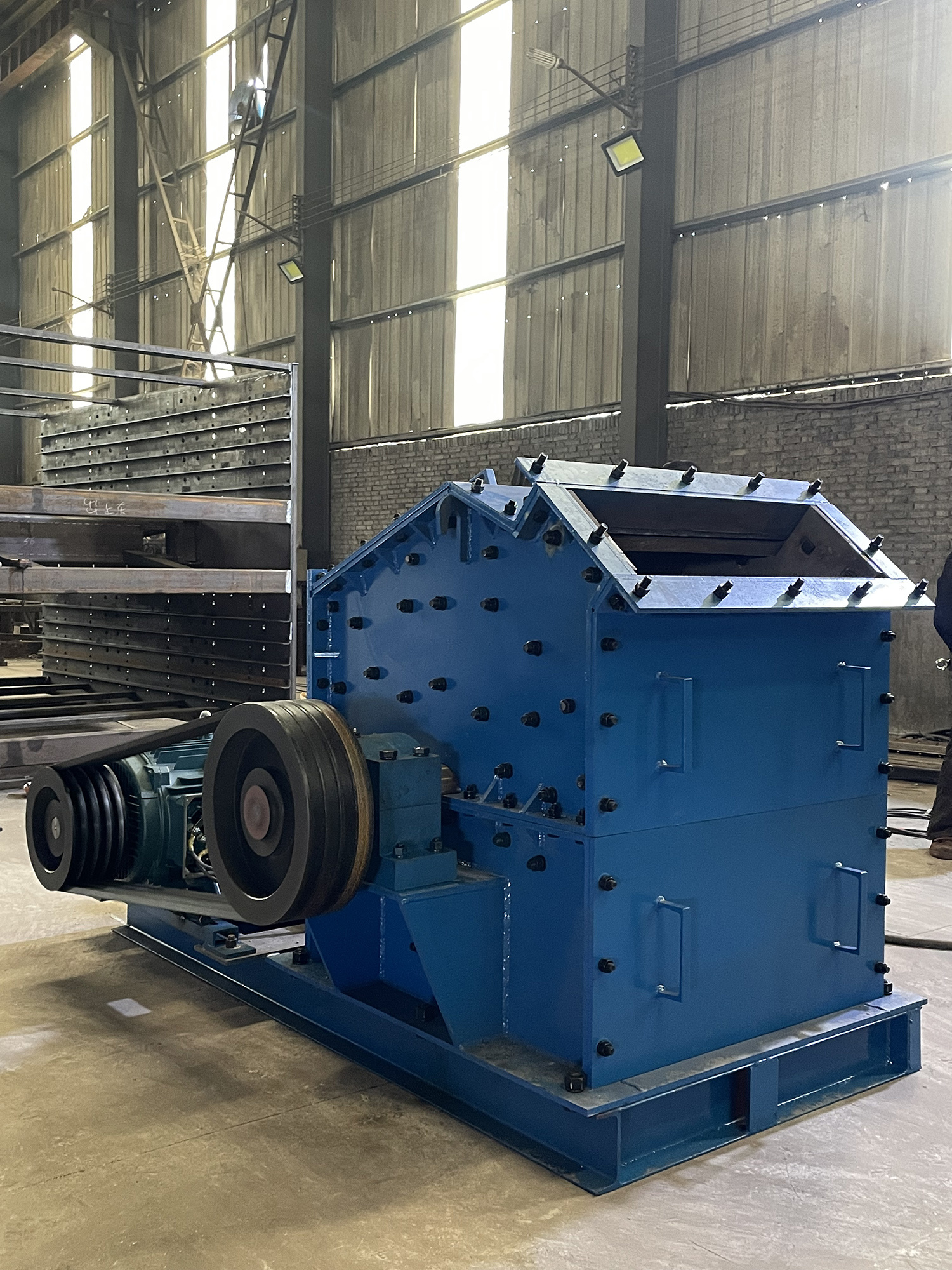
In the quarrying industry, the effective separation of materials is crucial for maximizing productivity and ensuring the quality of the final product. One of the most significant advancements in this area is the three-axis vibrating screen. This innovative technology is designed to improve the screening process by providing enhanced movement patterns and increased screening efficiency.
Three-axis vibrating screens operate on a unique principle that involves the combination of linear and circular motions. This multi-dimensional movement allows for a more thorough and efficient separation of materials, making them particularly effective for quarries that handle a variety of aggregates and minerals. The design typically includes three axes of rotation, which work together to create a more dynamic screening process. This leads to better stratification of materials, allowing for more precise screening and reducing the likelihood of missed or misclassified materials.
One of the primary advantages of using a three-axis vibrating screen in a quarry is the ability to handle larger volumes of material while maintaining high levels of accuracy. Traditional screening methods can often result in bottlenecks, especially when dealing with wet or sticky materials. The three-axis design mitigates this issue by promoting better material flow and reducing the chances of clogging or blinding on the screen surface.
Another important aspect to consider is the maintenance and operational efficiency of three-axis vibrating screens. Their robust construction and advanced engineering often result in fewer breakdowns and reduced downtime compared to conventional screens. Additionally, many models are designed with easy access for maintenance, allowing operators to perform routine upkeep without extensive disruptions to the workflow. This reliability translates to increased productivity, as the equipment is more likely to remain in operation during peak production periods.
Cost efficiency is another critical factor when assessing the value of three-axis vibrating screens for quarry applications. While initial investments may be higher than those for traditional screening equipment, the long-term savings in maintenance, operational efficiency, and increased throughput can more than compensate for the upfront costs. Furthermore, the enhanced quality of the separated materials can lead to better pricing opportunities in the market, ultimately improving profitability.
In conclusion, three-axis vibrating screens represent a significant advancement in the quarrying sector, offering improved efficiency, reduced maintenance, and enhanced accuracy in material separation. By investing in this technology, quarry operators can optimize their processes, reduce operational costs, and ensure that they remain competitive in a fast-evolving industry. Adopting such innovative solutions is essential for achieving sustainable growth and maintaining high standards of product quality in today's market.
Three-axis vibrating screens operate on a unique principle that involves the combination of linear and circular motions. This multi-dimensional movement allows for a more thorough and efficient separation of materials, making them particularly effective for quarries that handle a variety of aggregates and minerals. The design typically includes three axes of rotation, which work together to create a more dynamic screening process. This leads to better stratification of materials, allowing for more precise screening and reducing the likelihood of missed or misclassified materials.
One of the primary advantages of using a three-axis vibrating screen in a quarry is the ability to handle larger volumes of material while maintaining high levels of accuracy. Traditional screening methods can often result in bottlenecks, especially when dealing with wet or sticky materials. The three-axis design mitigates this issue by promoting better material flow and reducing the chances of clogging or blinding on the screen surface.
Another important aspect to consider is the maintenance and operational efficiency of three-axis vibrating screens. Their robust construction and advanced engineering often result in fewer breakdowns and reduced downtime compared to conventional screens. Additionally, many models are designed with easy access for maintenance, allowing operators to perform routine upkeep without extensive disruptions to the workflow. This reliability translates to increased productivity, as the equipment is more likely to remain in operation during peak production periods.
Cost efficiency is another critical factor when assessing the value of three-axis vibrating screens for quarry applications. While initial investments may be higher than those for traditional screening equipment, the long-term savings in maintenance, operational efficiency, and increased throughput can more than compensate for the upfront costs. Furthermore, the enhanced quality of the separated materials can lead to better pricing opportunities in the market, ultimately improving profitability.
In conclusion, three-axis vibrating screens represent a significant advancement in the quarrying sector, offering improved efficiency, reduced maintenance, and enhanced accuracy in material separation. By investing in this technology, quarry operators can optimize their processes, reduce operational costs, and ensure that they remain competitive in a fast-evolving industry. Adopting such innovative solutions is essential for achieving sustainable growth and maintaining high standards of product quality in today's market.
Hot Tags:

Contact Us
E-mail:byunfei2000@gmail.com
Wechat/WhatsApp:+86 17324886663
WhatsApp:+86 18738568071
Address:No. 12 Industrial Road, Zhaipo Town, Xinxiang, Henan Province


REQUEST QUOTE
We will contact you within one working day. Please pay attention to your email.