

Understanding Shaftless Screw Conveyor Equipment: A Comprehensive Guide
Mar 30,2026
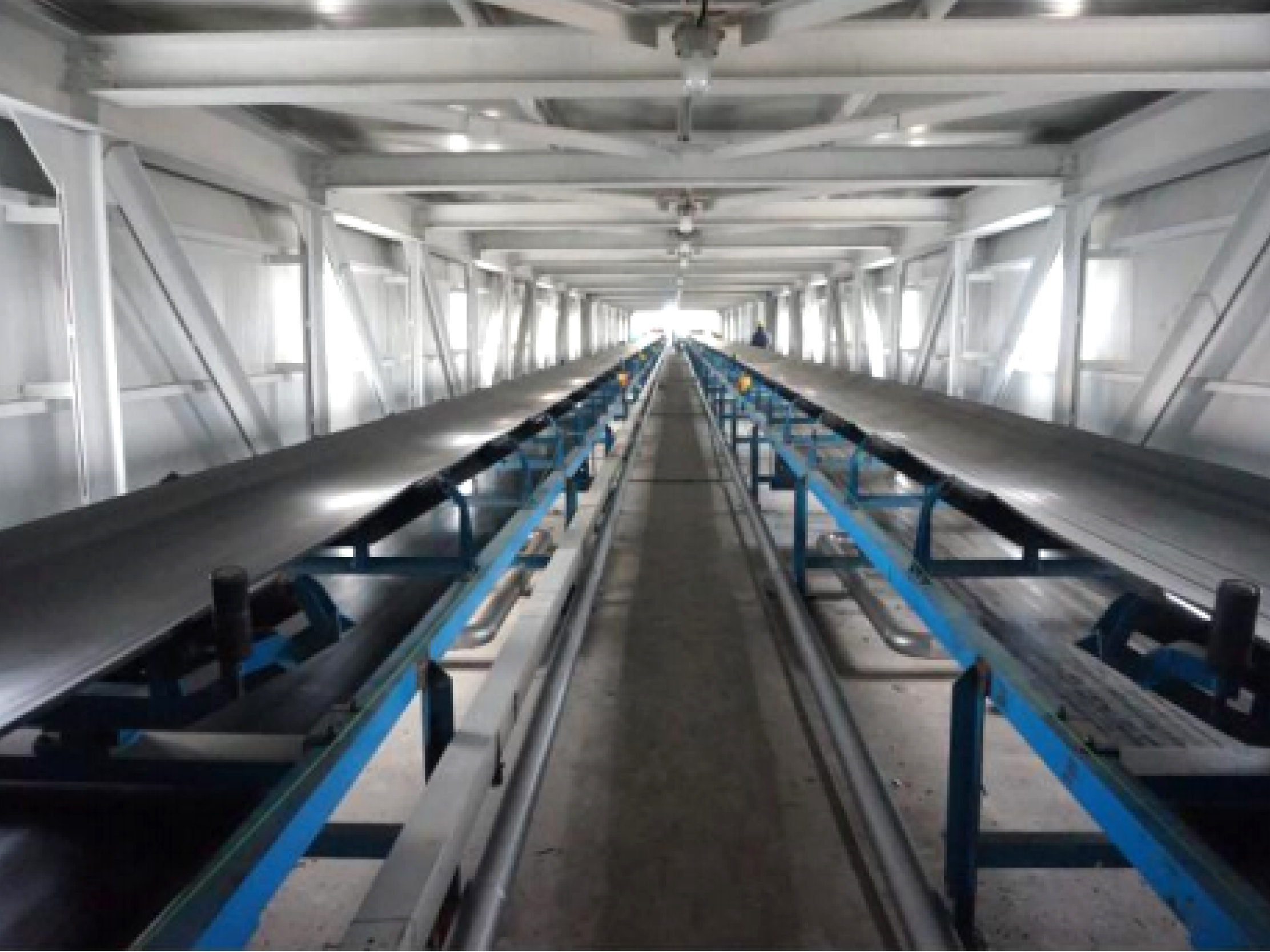
Shaftless screw conveyor equipment represents a significant advancement in the design and functionality of conveying systems, particularly in industries that require efficient and reliable material handling. Unlike traditional screw conveyors, which utilize a shaft to support the spiral flight, shaftless designs eliminate the need for a central shaft, allowing for a more flexible and efficient conveying process.
One of the primary advantages of shaftless screw conveyors is their ability to handle a wide range of materials, including those that are sticky, viscous, or prone to clumping. By eliminating the shaft, the equipment can convey materials without the risk of jamming, thereby improving overall operational efficiency. This design also allows for a greater fill rate, meaning that the conveyor can move more material in a shorter amount of time.
Shaftless screw conveyors are particularly beneficial in applications where space is limited. Their compact nature enables them to fit into tight areas that traditional screw conveyors cannot. Additionally, the absence of a shaft reduces the overall weight of the equipment, making it easier to install and maintain.
Another noteworthy feature of shaftless screw conveyor equipment is its ability to reduce wear and tear on components. Since materials do not need to navigate around a central shaft, the wear on the screw flight is minimized. This translates into longer service life and reduced maintenance costs, as well as less downtime for repairs.
In terms of design, shaftless screw conveyors can be customized to fit specific operational needs. Industries often employ a variety of materials, such as stainless steel or carbon steel, to ensure durability and corrosion resistance, particularly in harsher environments. Furthermore, the inclining angles of the conveyors can be adjusted to suit the material being conveyed and the height of the discharge point.
The application of shaftless screw conveyor equipment spans multiple sectors, including agriculture, wastewater treatment, and bulk material handling. In wastewater treatment, for instance, these conveyors efficiently transport sludge and other dense materials without the risk of blockages. In agriculture, they are used to move feed, grains, and other products, ensuring smooth and continuous operation.
In conclusion, shaftless screw conveyor equipment stands out as a versatile and effective solution for material handling challenges. Its unique design not only improves efficiency but also enhances durability and reduces maintenance needs. For professionals in the industrial equipment sector, understanding the benefits and applications of shaftless screw conveyors is essential for optimizing material handling processes and ensuring operational success. As industries continue to evolve, investing in such innovative equipment will undoubtedly provide a competitive edge.
One of the primary advantages of shaftless screw conveyors is their ability to handle a wide range of materials, including those that are sticky, viscous, or prone to clumping. By eliminating the shaft, the equipment can convey materials without the risk of jamming, thereby improving overall operational efficiency. This design also allows for a greater fill rate, meaning that the conveyor can move more material in a shorter amount of time.
Shaftless screw conveyors are particularly beneficial in applications where space is limited. Their compact nature enables them to fit into tight areas that traditional screw conveyors cannot. Additionally, the absence of a shaft reduces the overall weight of the equipment, making it easier to install and maintain.
Another noteworthy feature of shaftless screw conveyor equipment is its ability to reduce wear and tear on components. Since materials do not need to navigate around a central shaft, the wear on the screw flight is minimized. This translates into longer service life and reduced maintenance costs, as well as less downtime for repairs.
In terms of design, shaftless screw conveyors can be customized to fit specific operational needs. Industries often employ a variety of materials, such as stainless steel or carbon steel, to ensure durability and corrosion resistance, particularly in harsher environments. Furthermore, the inclining angles of the conveyors can be adjusted to suit the material being conveyed and the height of the discharge point.
The application of shaftless screw conveyor equipment spans multiple sectors, including agriculture, wastewater treatment, and bulk material handling. In wastewater treatment, for instance, these conveyors efficiently transport sludge and other dense materials without the risk of blockages. In agriculture, they are used to move feed, grains, and other products, ensuring smooth and continuous operation.
In conclusion, shaftless screw conveyor equipment stands out as a versatile and effective solution for material handling challenges. Its unique design not only improves efficiency but also enhances durability and reduces maintenance needs. For professionals in the industrial equipment sector, understanding the benefits and applications of shaftless screw conveyors is essential for optimizing material handling processes and ensuring operational success. As industries continue to evolve, investing in such innovative equipment will undoubtedly provide a competitive edge.
Hot Tags:

Contact Us
E-mail:byunfei2000@gmail.com
Wechat/WhatsApp:+86 17324886663
WhatsApp:+86 18738568071
Address:No. 12 Industrial Road, Zhaipo Town, Xinxiang, Henan Province


REQUEST QUOTE
We will contact you within one working day. Please pay attention to your email.