

Exploring the Mechanisms Behind Flip Flow Screens: An In-Depth Analysis
Apr 01,2026
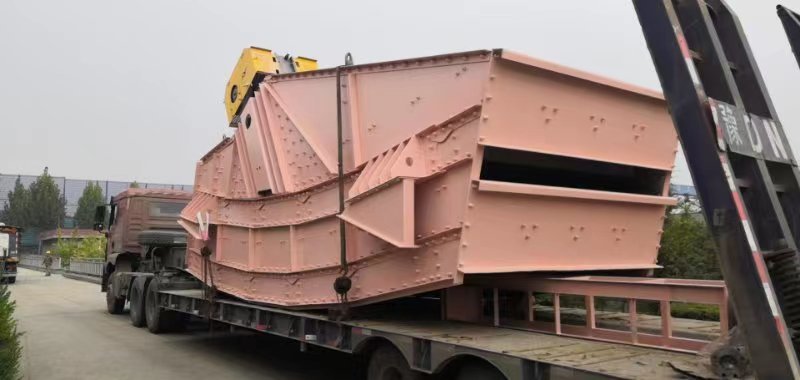
Exploring the Mechanisms Behind Flip Flow Screens
Table of Contents
- 1. Introduction to Flip Flow Screens
- 2. The Mechanisms of Flip Flow Screens
- 3. Applications of Flip Flow Screens in Industry
- 4. Advantages of Using Flip Flow Screens
- 5. Maintenance and Best Practices
- 6. The Future of Flip Flow Technology
- 7. Frequently Asked Questions
- 8. Conclusion
1. Introduction to Flip Flow Screens
Flip Flow Screens are specialized screening equipment that has gained significant attention in the manufacturing and processing machinery sector. These machines are engineered to enhance the separation of materials, particularly in applications dealing with moist, sticky, or difficult-to-screen materials. Unlike conventional screening equipment, Flip Flow Screens utilize a unique oscillating motion that promotes effective material stratification, making them particularly useful in various industrial settings.
2. The Mechanisms of Flip Flow Screens
2.1 Design Elements of Flip Flow Screens
The design of Flip Flow Screens incorporates several key elements that contribute to their efficient operation. Typically, these screens consist of a flexible screening media, often made from elastomeric materials, mounted on a rigid frame. This unique configuration allows for a dynamic movement that facilitates the effective separation of particles based on size and density.
The **flexible screening media** is a defining characteristic. It is often arranged in an undulating pattern, which enables the material to be stratified effectively as it moves across the screen. The design also includes adjustable amplitude and frequency settings, allowing operators to customize the motion to suit specific material properties.
2.2 Functionality of Flip Flow Mechanisms
The operational functionality of Flip Flow Screens can be attributed to their unique kinetic motion. By oscillating at a specific frequency, the screen creates a **flip-flow action** that causes the material to bounce and stratify. This motion not only enhances screening efficiency but also minimizes material clogging and blinding, issues commonly encountered with traditional screening technologies.
As the material enters the screen, it is subjected to both vertical and horizontal forces, which help separate fine particles from larger ones. The **flip-flow action** forces larger particles to move towards the discharge end of the screen, while finer particles pass through the screening media. This dual-action mechanism results in a highly effective separation process.
3. Applications of Flip Flow Screens in Industry
Flip Flow Screens are versatile and can be utilized across various industries. Some key applications include:
- **Waste Management:** Efficiently screening waste materials to separate recyclables from non-recyclables.
- **Mining and Quarrying:** Sorting minerals and aggregates, especially in wet conditions.
- **Construction Materials:** Processing sand, gravel, and other aggregates for construction use.
- **Food Industry:** Screening agricultural products like grains and pulses, ensuring quality control.
Each application takes advantage of the unique capabilities of Flip Flow Screens, particularly in handling challenging materials that traditional screens may struggle with.
4. Advantages of Using Flip Flow Screens
The adoption of Flip Flow Screens offers numerous advantages:
- **Enhanced Screening Efficiency:** The unique flip-flow motion ensures superior material stratification.
- **Reduced Clogging:** The flexible screening media reduces the risk of material build-up and blinding.
- **Adaptability:** Customizable amplitude and frequency settings allow for tailored operation based on material characteristics.
- **Durability:** Built from robust materials, Flip Flow Screens are designed for long-lasting performance even under challenging conditions.
These advantages make Flip Flow Screens a popular choice for many industries, contributing to improved productivity and operational efficiency.
5. Maintenance and Best Practices
Maintaining Flip Flow Screens is essential to ensure optimal performance and longevity. Here are some best practices:
- **Regular Inspections:** Conduct routine checks on screen media, springs, and drive components to identify wear and tear.
- **Cleaning:** Regularly clean the screening media to prevent material build-up and ensure effective separation.
- **Lubrication:** Keep moving parts adequately lubricated to prevent friction and wear.
- **Operator Training:** Ensure that personnel are trained in the operation and maintenance of Flip Flow Screens to maximize performance.
Following these maintenance practices will help in achieving the best operational outcomes and extending the lifespan of the equipment.
6. The Future of Flip Flow Technology
As industries evolve, so does the technology behind Flip Flow Screens. Future advancements may include:
- **Integration of Automation:** Enhanced controls and automation systems for improved monitoring and efficiency.
- **Smart Technology:** The application of IoT (Internet of Things) for real-time monitoring and predictive maintenance.
- **Eco-friendly Materials:** Increased use of sustainable and recyclable materials in the construction of Flip Flow Screens to minimize environmental impact.
These innovations will further solidify the role of Flip Flow Screens in modern manufacturing and processing operations.
7. Frequently Asked Questions
What are Flip Flow Screens used for?
Flip Flow Screens are used primarily for the efficient separation of materials in various industries, particularly in applications involving moist and sticky substances.
How do Flip Flow Screens work?
They operate using a unique flip-flow motion that allows materials to stratify effectively, minimizing material clogging and enhancing separation efficiency.
What materials can be processed with Flip Flow Screens?
These screens can handle a wide range of materials, including aggregates, waste materials, agricultural products, and more.
Why choose Flip Flow Screens over traditional screens?
Flip Flow Screens offer superior efficiency, reduced clogging, and adaptability to various material characteristics, making them a preferable choice for challenging applications.
How do I maintain a Flip Flow Screen?
Regular inspections, cleaning, lubrication, and operator training are essential practices for maintaining Flip Flow Screens in optimal condition.
8. Conclusion
In conclusion, Flip Flow Screens represent a significant advancement in screening technology, offering innovative solutions to challenges faced in various industrial applications. Their unique design and operational mechanisms provide enhanced efficiency, reduced clogging, and adaptability to a wide range of materials. As industries continue to evolve, embracing the advanced capabilities of Flip Flow Screens will become increasingly important for businesses aiming to optimize their operations and achieve sustainable growth. Investing in this technology not only improves productivity but also positions companies at the forefront of modern manufacturing practices.
Hot Tags:

Contact Us
E-mail:byunfei2000@gmail.com
Wechat/WhatsApp:+86 17324886663
WhatsApp:+86 18738568071
Address:No. 12 Industrial Road, Zhaipo Town, Xinxiang, Henan Province


REQUEST QUOTE
We will contact you within one working day. Please pay attention to your email.