

Buried Scraper Conveyors vs. Traditional Methods: A Comprehensive Comparative Analysis
Apr 13,2026
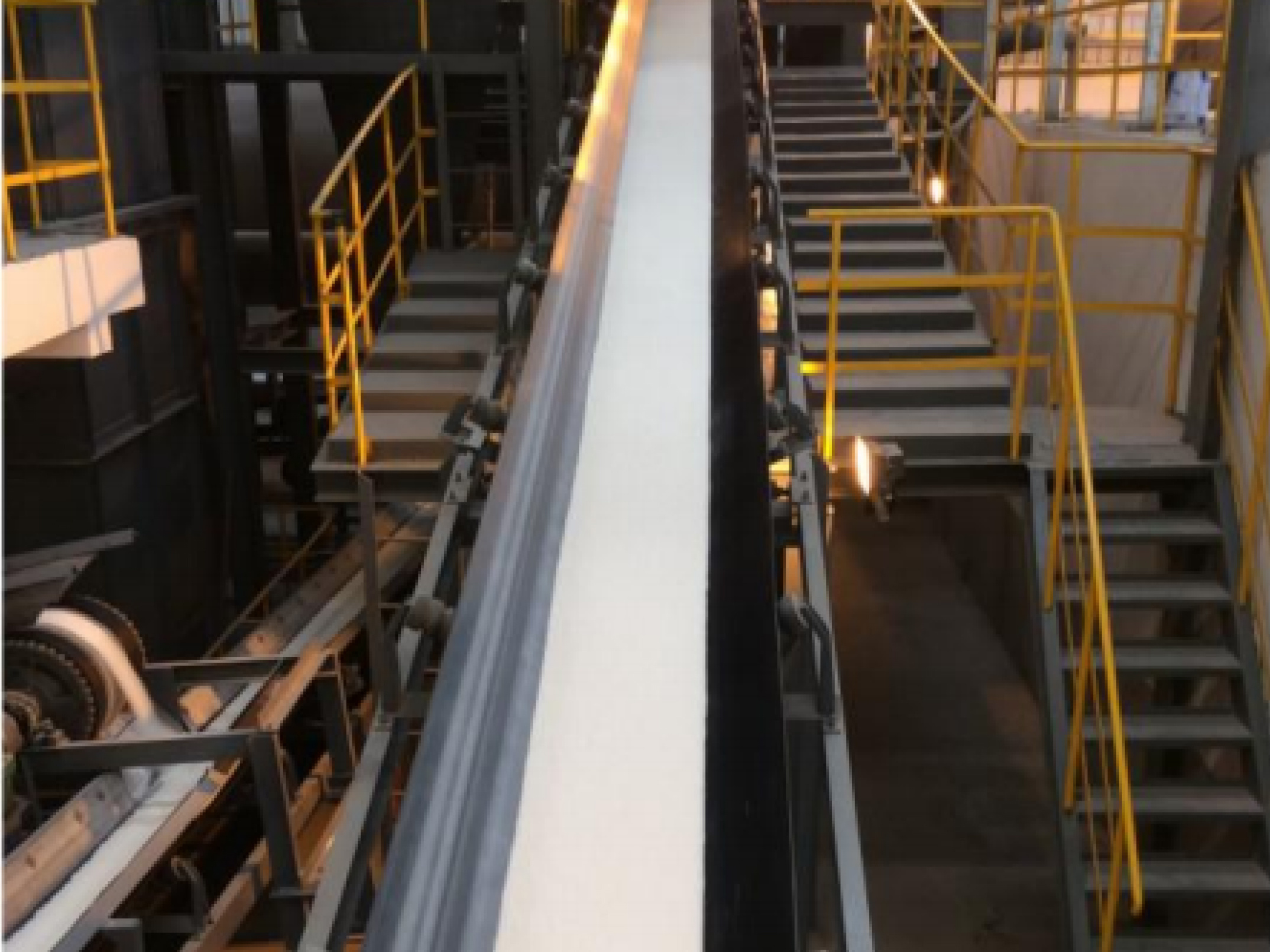
Buried Scraper Conveyors vs. Traditional Methods: A Comprehensive Comparative Analysis
Table of Contents
- 1. Introduction to Conveying Systems
- 2. What Are Buried Scraper Conveyors?
- 3. Traditional Material Handling Methods Explained
- 4. Advantages of Buried Scraper Conveyors
- 5. Disadvantages of Buried Scraper Conveyors
- 6. Advantages of Traditional Methods
- 7. Disadvantages of Traditional Methods
- 8. Case Studies: Real-World Applications
- 9. Conclusion
- 10. FAQs
1. Introduction to Conveying Systems
In the realm of industrial equipment, the efficiency of material handling systems is crucial for maximizing productivity. **Buried scraper conveyors** and traditional methods like belt conveyors and bucket elevators serve as pivotal components in this ecosystem. This article provides an in-depth comparative analysis between these two conveying systems, highlighting their functionalities, advantages, and drawbacks.
2. What Are Buried Scraper Conveyors?
**Buried scraper conveyors** are advanced material handling devices designed to transport bulk materials underground. They consist of a trough that is buried beneath the ground level, equipped with a scraper mechanism that moves materials along the length of the conveyor. This system is particularly effective in environments where space is limited or where surface operations could interfere with ongoing activities.
2.1 Key Components of Buried Scraper Conveyors
The primary components of buried scraper conveyors include:
- **Trough**: The channel where materials flow, providing a seamless transportation pathway.
- **Scraper Blade**: Attached to a chain, this component actively pushes the material forward.
- **Drive Mechanism**: Powers the movement of the scraper chain, ensuring consistent operation.
3. Traditional Material Handling Methods Explained
Traditional material handling methods encompass various types of systems that have been widely used for decades. These include:
- **Belt Conveyors**: Utilizes a continuous belt to transport materials.
- **Bucket Elevators**: Employs buckets attached to a belt or chain to lift materials vertically.
- **Screw Conveyors**: Uses a rotating helical screw to move materials along a defined path.
3.1 Characteristics of Traditional Methods
Each of these traditional methods has unique characteristics, such as operational speed, maintenance requirements, and suitability for different types of materials.
4. Advantages of Buried Scraper Conveyors
Buried scraper conveyors come with numerous advantages that set them apart from traditional methods:
4.1 Space-Efficiency
Being located underground allows for better utilization of surface space, making them ideal for congested areas.
4.2 Reduced Environmental Impact
By minimizing surface disruption, buried scraper conveyors can have a lesser environmental footprint, which is crucial for sustainable operations.
4.3 Lower Maintenance Costs
With fewer exposed components, buried scraper conveyors often require less frequent maintenance, resulting in lower operational costs over time.
5. Disadvantages of Buried Scraper Conveyors
Despite their benefits, buried scraper conveyors have some limitations:
5.1 Installation Complexity
The installation process can be complex and time-consuming, requiring significant excavation and planning.
5.2 Limited Accessibility
Maintenance and inspections may be more challenging due to the underground positioning, necessitating specialized equipment or procedures.
6. Advantages of Traditional Methods
Traditional material handling methods also present several compelling advantages:
6.1 Familiarity and Proven Track Record
With decades of use, these systems are well-understood, reducing the risk of operational surprises.
6.2 Versatility
Traditional methods can handle a wider variety of materials, including both bulk and packaged goods.
7. Disadvantages of Traditional Methods
However, traditional methods are not without drawbacks:
7.1 Space Constraints
These systems often occupy significant surface area, which can be a limiting factor in space-constrained environments.
7.2 Environmental Concerns
Surface-mounted systems can lead to greater disruption to the surrounding environment, raising concerns among stakeholders.
8. Case Studies: Real-World Applications
To better understand the practical implications of both systems, we can look at several case studies where buried scraper conveyors and traditional methods were implemented in industrial settings.
8.1 Case Study 1: Mining Operations
In a mining operation, a company switched from traditional belt conveyors to buried scraper conveyors to optimize underground material transport. The results showed a **30% increase** in efficiency and a significant reduction in surface disruption.
8.2 Case Study 2: Waste Management
A waste management facility implemented buried scraper conveyors to transport waste materials from collection points to processing areas. This not only improved operational efficiency but also minimized odors and visual pollution.
9. Conclusion
In summary, the comparative analysis of buried scraper conveyors and traditional material handling methods reveals distinct advantages and disadvantages for each approach. **Buried scraper conveyors** excel in terms of space efficiency and reduced environmental impact, while traditional methods offer familiarity and versatility. The choice between these systems should be based on the specific operational needs, site conditions, and long-term goals of the facility.
10. FAQs
10.1 What materials can be transported using buried scraper conveyors?
**Buried scraper conveyors** are suitable for a range of bulk materials, including coal, sand, and various aggregates.
10.2 How do buried scraper conveyors compare in terms of cost?
While initial installation costs may be higher for buried scraper conveyors, their long-term maintenance savings can offset these expenses.
10.3 Can buried scraper conveyors be retrofitted into existing facilities?
Yes, they can often be integrated into existing facilities, although this may require significant modifications.
10.4 What is the average lifespan of a buried scraper conveyor?
With proper maintenance, buried scraper conveyors can last **20-30 years** or more.
10.5 Are there specific industries that benefit more from buried scraper conveyors?
Industries like mining, waste management, and bulk material processing typically see the greatest benefits from these systems.
This comprehensive analysis provides valuable insights into the comparison between buried scraper conveyors and traditional methods, guiding industrial decision-makers in selecting the best material handling solutions for their needs.
Hot Tags:

Contact Us
E-mail:byunfei2000@gmail.com
Wechat/WhatsApp:+86 17324886663
WhatsApp:+86 18738568071
Address:No. 12 Industrial Road, Zhaipo Town, Xinxiang, Henan Province


REQUEST QUOTE
We will contact you within one working day. Please pay attention to your email.