

Essential Insights into Crushers for Limestone Production
Apr 15,2026
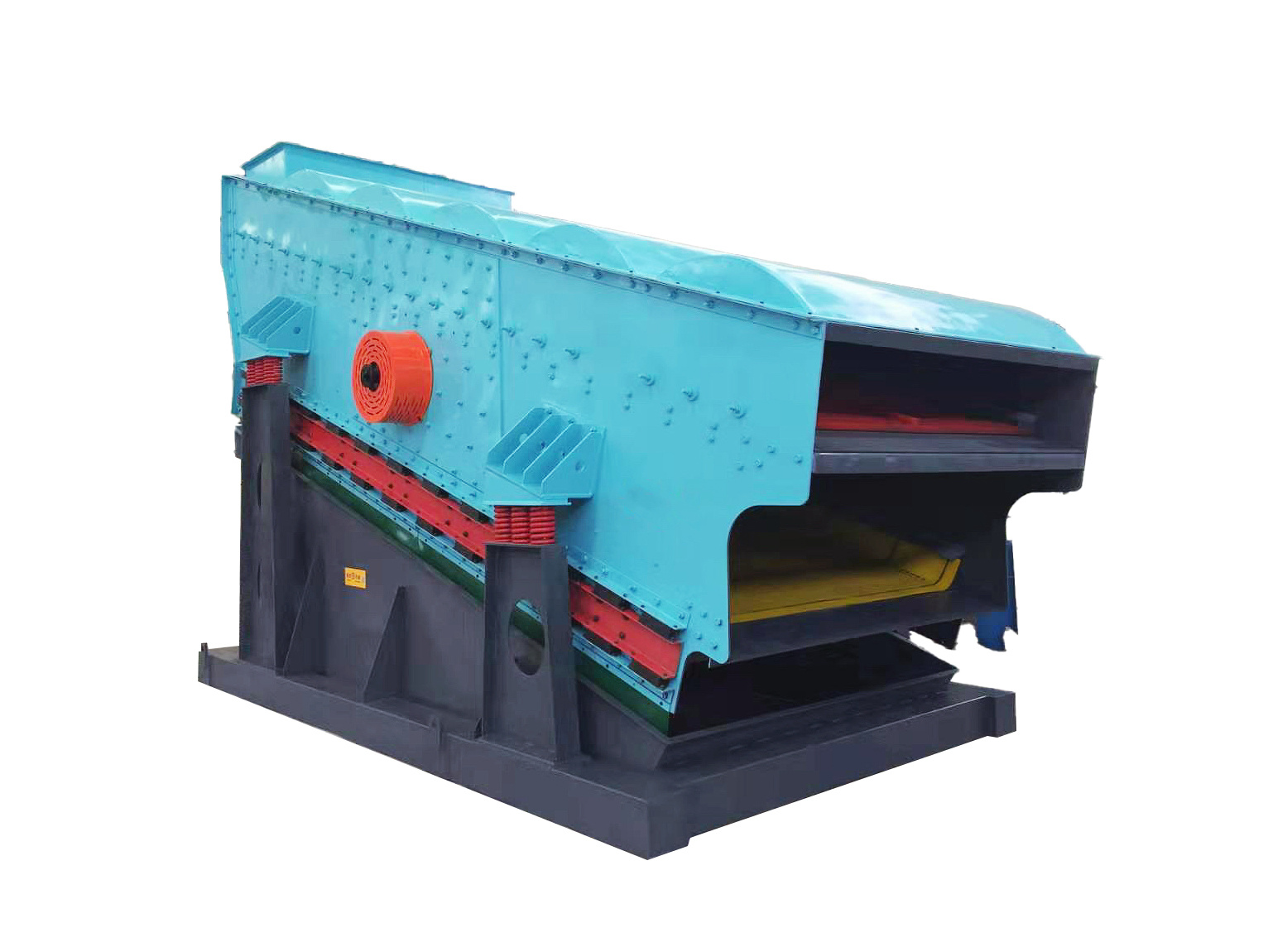
In the realm of manufacturing and processing machinery, particularly in the field of crushing and screening equipment, understanding the role of a "crusher for limestone production" is essential. Limestone, a sedimentary rock composed mainly of calcium carbonate, is a key material used in various industries, including construction, glass manufacturing, and agriculture. Crushers specifically designed for limestone production play a critical role in transforming this raw material into usable forms.
There are several types of crushers available for limestone processing, each suited for different stages of the production process. Jaw crushers are often the first choice when it comes to primary crushing. They provide a robust mechanism for breaking down large limestone boulders into manageable sizes through compressive force. The crushed material can then be fed into secondary crushers, such as impact or cone crushers, which further reduce the particle size, creating aggregates suitable for various applications.
When selecting a crusher for limestone production, it is crucial to consider the desired output size and the characteristics of the limestone being processed. Different types of limestone may require specific crushing techniques to achieve optimal results. Additionally, understanding the hardness and abrasiveness of the material can aid in selecting the right crusher type, ensuring longevity and efficiency.
In terms of operational efficiency, the design and technology employed in modern crushers greatly enhance performance. For instance, incorporating features like automatic control systems can optimize power consumption, reduce wear on components, and improve the overall throughput of the crushing process. Furthermore, investing in crushers equipped with advanced screening capabilities can help in achieving a more uniform and consistent product, which is vital for quality assurance in downstream applications.
Maintenance is another critical aspect to consider when operating a crusher for limestone production. Regular inspections and timely replacement of wear parts can prevent unexpected downtime and maintain production levels. Implementing a well-structured maintenance program can extend the lifespan of the machinery and ensure that it operates at peak efficiency.
Lastly, environmental considerations are becoming increasingly important in the manufacturing sector. Utilizing crushers that minimize dust emissions and noise can contribute to a more sustainable operation. Additionally, selecting energy-efficient machinery can greatly reduce the environmental footprint of limestone production.
In conclusion, a crusher for limestone production is a fundamental component in the processing of this versatile material. By understanding the various types of crushers, their applications, and the best practices for maintenance and operation, professionals in the manufacturing and processing industries can enhance productivity and ensure the efficient transformation of limestone into valuable products.
There are several types of crushers available for limestone processing, each suited for different stages of the production process. Jaw crushers are often the first choice when it comes to primary crushing. They provide a robust mechanism for breaking down large limestone boulders into manageable sizes through compressive force. The crushed material can then be fed into secondary crushers, such as impact or cone crushers, which further reduce the particle size, creating aggregates suitable for various applications.
When selecting a crusher for limestone production, it is crucial to consider the desired output size and the characteristics of the limestone being processed. Different types of limestone may require specific crushing techniques to achieve optimal results. Additionally, understanding the hardness and abrasiveness of the material can aid in selecting the right crusher type, ensuring longevity and efficiency.
In terms of operational efficiency, the design and technology employed in modern crushers greatly enhance performance. For instance, incorporating features like automatic control systems can optimize power consumption, reduce wear on components, and improve the overall throughput of the crushing process. Furthermore, investing in crushers equipped with advanced screening capabilities can help in achieving a more uniform and consistent product, which is vital for quality assurance in downstream applications.
Maintenance is another critical aspect to consider when operating a crusher for limestone production. Regular inspections and timely replacement of wear parts can prevent unexpected downtime and maintain production levels. Implementing a well-structured maintenance program can extend the lifespan of the machinery and ensure that it operates at peak efficiency.
Lastly, environmental considerations are becoming increasingly important in the manufacturing sector. Utilizing crushers that minimize dust emissions and noise can contribute to a more sustainable operation. Additionally, selecting energy-efficient machinery can greatly reduce the environmental footprint of limestone production.
In conclusion, a crusher for limestone production is a fundamental component in the processing of this versatile material. By understanding the various types of crushers, their applications, and the best practices for maintenance and operation, professionals in the manufacturing and processing industries can enhance productivity and ensure the efficient transformation of limestone into valuable products.
Hot Tags:

Contact Us
E-mail:byunfei2000@gmail.com
Wechat/WhatsApp:+86 17324886663
WhatsApp:+86 18738568071
Address:No. 12 Industrial Road, Zhaipo Town, Xinxiang, Henan Province


REQUEST QUOTE
We will contact you within one working day. Please pay attention to your email.