

Why Your Mining Operation Needs a Dewatering Screen Today
May 23,2026
Why Your Mining Operation Needs a Dewatering Screen Today
Introduction to Dewatering Screens in Mining
In the mining industry, effective water management is crucial for optimizing operations and enhancing profitability. One key piece of equipment that plays a vital role in this process is the **dewatering screen**. These machines not only help in separating solids from liquids but also ensure that materials are optimally processed for further use. For any mining operation, understanding the importance of dewatering screens can lead to significant advancements in efficiency and sustainability.
The Importance of Water Management in Mining Operations
Water is an indispensable part of the mining process, used in everything from mineral processing to dust suppression. However, excess water can lead to operational challenges, including hindered processing capabilities and increased costs. Proper water management through the use of dewatering screens allows mining operations to:
- Enhance material recovery rates
- Reduce operational downtime
- Minimize environmental impact
- Comply with industry regulations
Understanding Dewatering Screens
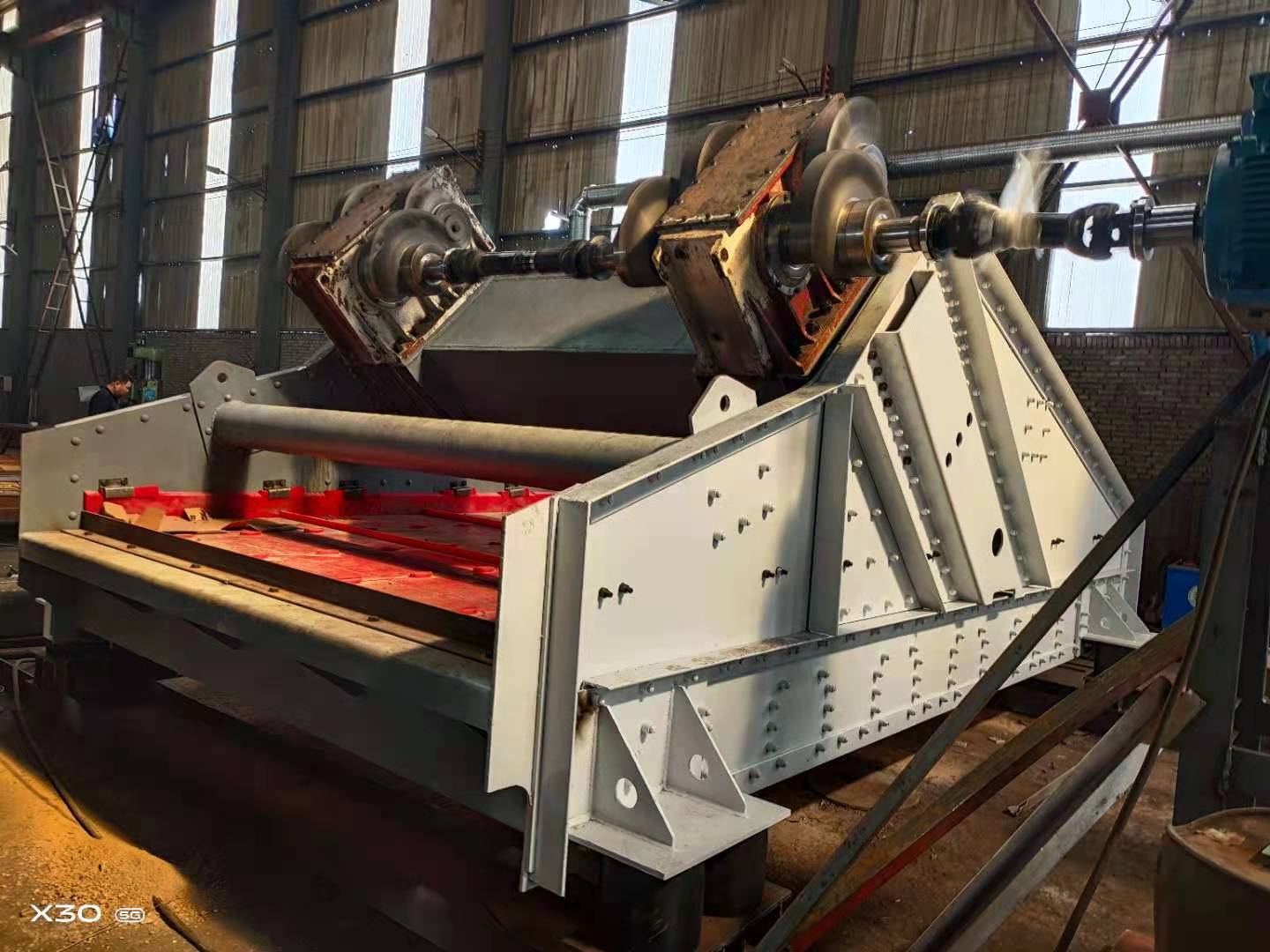
Dewatering screens are specifically designed to separate and remove excess water from mined materials. Unlike traditional screens, dewatering screens utilize a combination of gravity and vibration to accelerate the drainage of water from the material. This results in a drier, more manageable product that is ready for further processing or shipment.
How Dewatering Screens Work
The primary mechanism of a dewatering screen involves several processes:
1. **Feed Material Introduction**: The slurry with a high water content is fed onto the screen.
2. **Vibration and Gravity**: The screen vibrates, causing the water to drain away while retaining the solid particles.
3. **Drainage**: The separated water is collected and can be reused within the mining operation or treated before being released.
4. **Output of Drier Material**: The end result is a drier product that is less costly to transport and process.
Benefits of Implementing Dewatering Screens in Mining Operations
The advantages of incorporating dewatering screens into your mining operation are numerous. Here are some of the most significant benefits:
1. Increased Efficiency in Material Processing
By effectively reducing the water content in mined materials, dewatering screens allow for quicker and more efficient processing. This efficiency translates into increased productivity and reduced processing time, ultimately leading to higher profit margins.
2. Enhanced Quality of Final Products
Dewatering screens improve the quality of the final product by eliminating excessive moisture. Drier materials not only have better handling characteristics but also lead to superior quality in subsequent processing stages, whether for construction aggregates, minerals, or metal recovery.
3. Cost Savings and Operational Efficiency
Lowering the water content in mined materials leads to reduced shipping and handling costs. Additionally, a dewatering screen minimizes the need for other drying methods, resulting in overall operational cost savings.
4. Environmental Compliance and Sustainability
Mining operations today are under scrutiny for their environmental impact. By using dewatering screens to manage water efficiently, mining companies can comply with regulatory standards, reduce water waste, and minimize the environmental footprint of their operations.
5. Versatility Across Different Mining Operations
Dewatering screens are versatile and can effectively handle a variety of materials, including sand, gravel, coal, and ores. Their adaptability makes them an essential asset in various mining sectors.
Choosing the Right Dewatering Screen for Your Mining Operation
When selecting a dewatering screen, several factors must be considered to ensure that it meets your specific needs:
1. Material Type and Size
Different materials may require different screen designs or configurations. Understanding the specific characteristics of the material being processed will help in selecting the right type of dewatering screen.
2. Processing Capacity
Evaluate the processing capacity required for your operation. The selected dewatering screen should be able to handle the expected volume of slurry without compromising efficiency.
3. Desired Moisture Content
Different operations may require varying levels of moisture content in the final product. It’s essential to choose a screen that can achieve your specific moisture content goals.
4. Maintenance and Durability
Investing in a durable dewatering screen that requires minimal maintenance can lead to long-term cost savings. Assess the manufacturer’s reputation and the screen’s material quality before making a purchase.
Common Applications of Dewatering Screens in Mining
Dewatering screens find applications in several areas of the mining sector:
1. Sand and Gravel Production
In sand and gravel production, dewatering screens are used to separate excess water from the material before it is processed further. This ensures that the final product is dry and ready for use in construction projects.
2. Coal Mining
In coal mining, dewatering screens aid in separating water from the coal slurry, allowing for more effective transportation and processing of coal.
3. Mineral Processing
Dewatering screens are critical in mineral processing, where they help in producing drier concentrates for various minerals, improving the overall efficiency of the extraction process.
Maintenance Tips for Dewatering Screens
To ensure that your dewatering screen operates at peak performance, regular maintenance is crucial. Here are some tips to keep in mind:
1. Routine Inspections
Regularly inspect the screen for wear and tear, checking components such as the screen mesh, vibrators, and drainage system.
2. Cleaning
Keep the screen clean and free of debris to prevent blockage and ensure optimal performance. Implement a cleaning schedule based on the operational environment.
3. Monitor Performance
Continuously monitor the performance of your dewatering screen. Pay attention to output moisture levels and screen efficiency to identify any potential issues early.
4. Follow Manufacturer Guidelines
Always adhere to the maintenance and operational guidelines provided by the manufacturer. This will help extend the lifespan of your equipment and ensure reliable performance.
Conclusion
In the competitive landscape of mining, adopting advanced technologies such as dewatering screens is essential for optimizing operations, enhancing product quality, and promoting environmental sustainability. By effectively managing water and improving material handling, dewatering screens contribute significantly to the profitability and efficiency of mining operations. Investing in the right dewatering screen tailored to your specific needs can pave the way for a more successful and sustainable future in mining.
FAQs about Dewatering Screens in Mining
1. What is a dewatering screen?
A dewatering screen is a piece of equipment designed to separate solids from liquids, primarily used in mining operations to reduce the water content of materials.
2. How does a dewatering screen work?
Dewatering screens utilize vibration and gravity to accelerate water drainage from the material, resulting in a drier final product.
3. What are the benefits of using a dewatering screen in mining?
The benefits include increased processing efficiency, improved product quality, cost savings, environmental compliance, and versatility across different materials.
4. How do I choose the right dewatering screen for my operation?
Consider factors such as material type, processing capacity, desired moisture content, and maintenance requirements when selecting a dewatering screen.
5. What maintenance is required for a dewatering screen?
Routine inspections, cleaning, monitoring performance, and following manufacturer guidelines are essential for maintaining a dewatering screen.
Hot Tags:

Contact Us
E-mail:byunfei2000@gmail.com
Wechat/WhatsApp:+86 17324886663
WhatsApp:+86 18738568071
Address:No. 12 Industrial Road, Zhaipo Town, Xinxiang, Henan Province


REQUEST QUOTE
We will contact you within one working day. Please pay attention to your email.