

Understanding Trommel Screens for Soil and Gravel Processing
May 25,2026
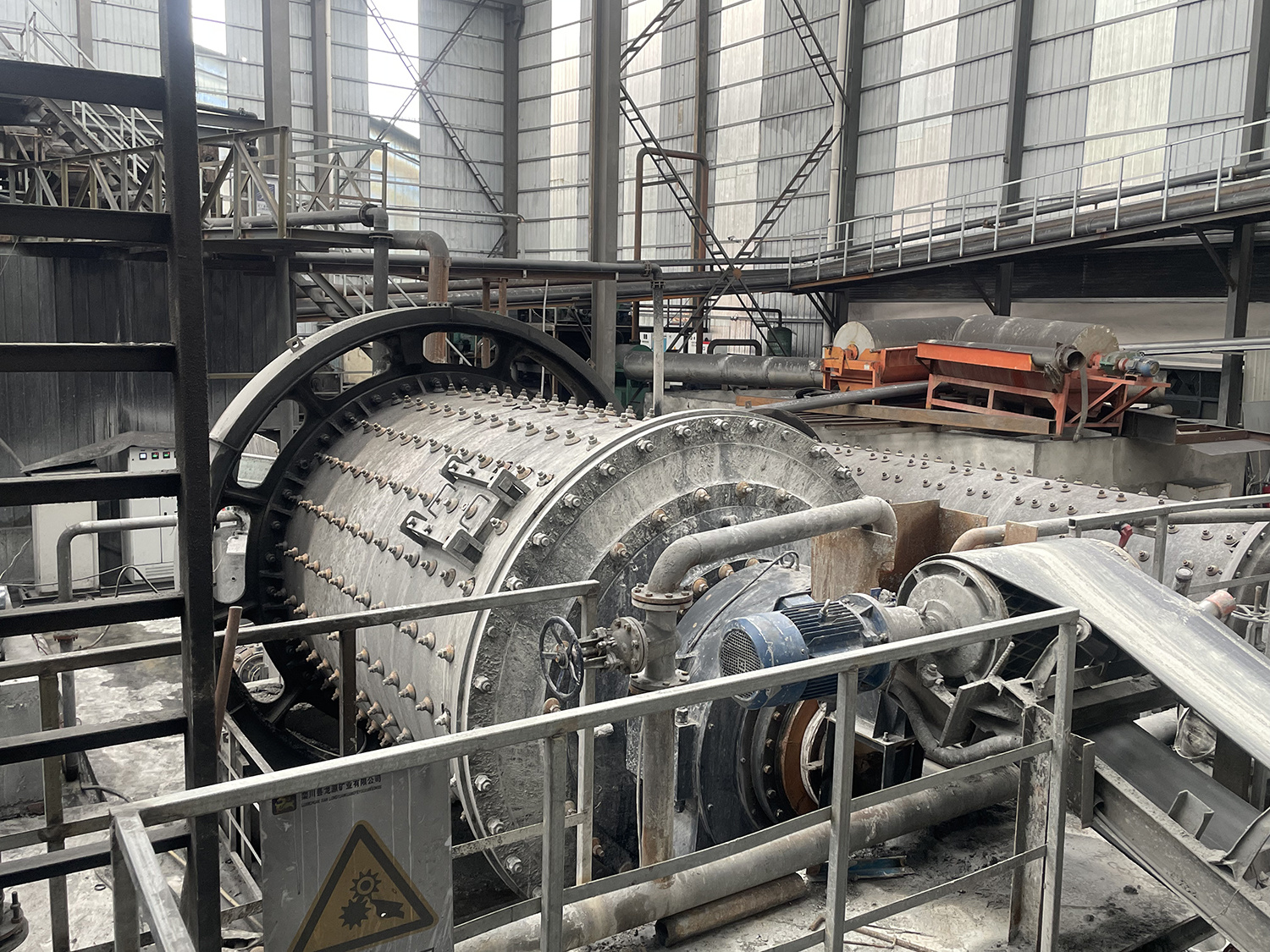
Trommel screens are cylindrical screening devices that rotate to classify materials based on size. They are widely used in the processing of soil and gravel, playing a critical role in various industries including construction, mining, and waste management. The trommel screen operates on a simple yet effective principle: as the cylinder rotates, material is fed into one end and moves through the screen, which has openings that allow smaller particles to pass while larger ones remain inside for further processing.
One of the significant advantages of trommel screens for soil and gravel is their ability to effectively separate materials with different sizes and properties. For instance, when processing gravel, a trommel screen can quickly differentiate between fine aggregates and larger stones, ensuring that the final product meets specific size requirements. This not only enhances the quality of the processed material but also increases efficiency in subsequent processing stages.
The design of trommel screens can vary, but they typically feature a rotating drum with a series of perforated holes or mesh screens. These screens come in various sizes, allowing for customization based on the specific needs of the operation. The rotation of the drum creates a tumbling action that facilitates the separation process, as materials are continuously lifted and dropped against the screen.
In addition to their effectiveness, trommel screens offer several operational benefits. They can handle a wide range of materials, from fine soil to bulky gravel, making them versatile for different applications. Their relatively low operational costs, coupled with minimal maintenance requirements, make them an economical choice for businesses focusing on material processing.
Furthermore, trommel screens are often employed in conjunction with other processing equipment, enhancing overall productivity. For example, they can be integrated into a larger system that includes crushers and conveyors, facilitating a streamlined workflow from raw material input to final product output.
When considering trommel screens for soil and gravel processing, it's essential to evaluate the specific needs of your operation. Factors such as material types, desired output sizes, and throughput capacity should guide your selection process. By understanding the functionality and benefits of trommel screens, businesses can optimize their material processing operations, ensuring superior quality and efficiency in their products.
In conclusion, trommel screens are vital in the manufacturing and processing industry, especially for soil and gravel applications. Their ability to efficiently separate materials, coupled with their versatility and low operational costs, makes them a preferred choice for many businesses looking to enhance their material processing capabilities.
Hot Tags:

Contact Us
E-mail:byunfei2000@gmail.com
Wechat/WhatsApp:+86 17324886663
WhatsApp:+86 18738568071
Address:No. 12 Industrial Road, Zhaipo Town, Xinxiang, Henan Province


REQUEST QUOTE
We will contact you within one working day. Please pay attention to your email.